Common Misconceptions About Industrial Machinery in Hawaii


Understanding Industrial Machinery in Hawaii
Industrial machinery plays a crucial role in Hawaii’s economy, supporting industries from agriculture to construction. Despite its importance, there are many misconceptions about how these machines operate and their impact on the islands. In this blog post, we'll address some of these common misconceptions and provide clarity.
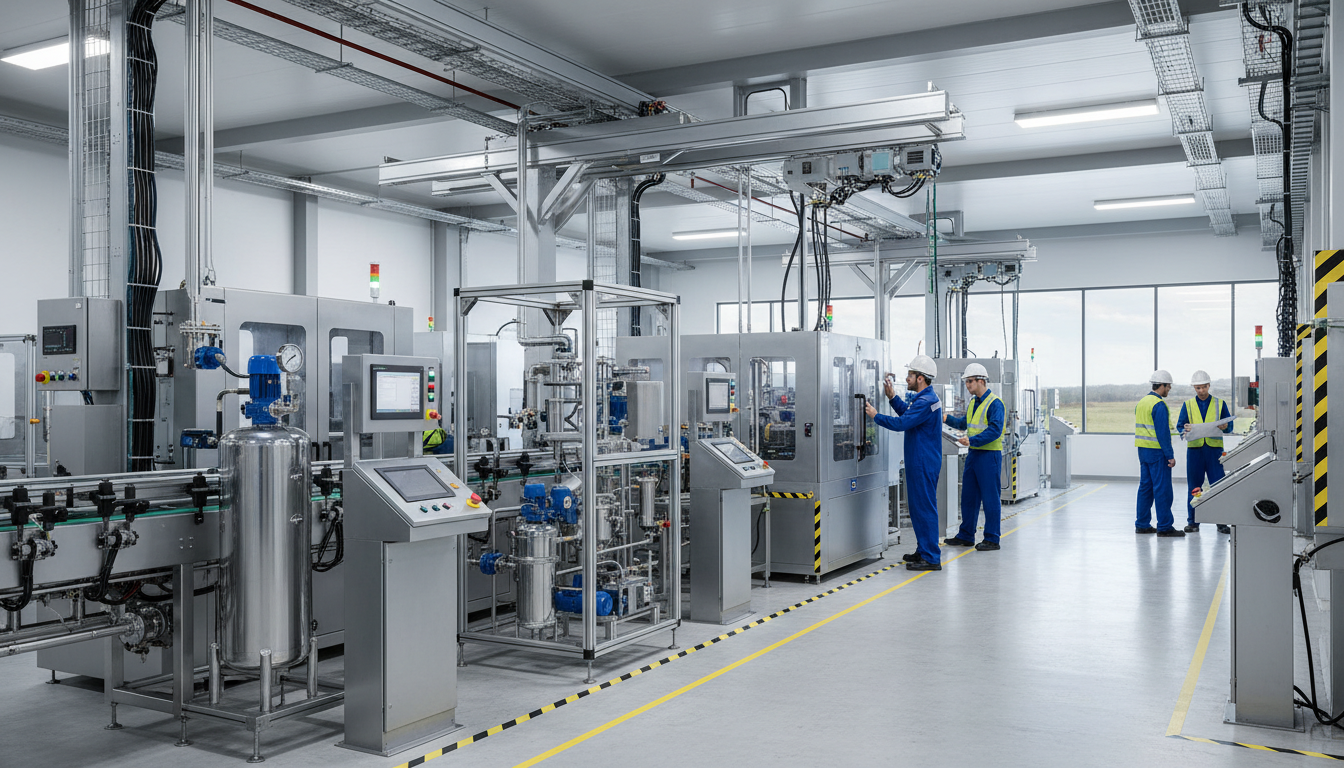
Myth 1: Industrial Machinery is Too Noisy
A common misconception is that all industrial machinery is excessively noisy. While some machinery can be loud, advancements in technology have led to the development of quieter, more efficient machines. Many manufacturers now prioritize noise reduction, making modern machinery much more suitable for use in diverse environments, including the serene landscapes of Hawaii.
Moreover, industries are increasingly adopting noise control measures, such as soundproofing and strategic placement, to minimize the impact on surrounding areas. This ensures that the natural beauty and tranquility of Hawaii are preserved while supporting industrial needs.
Myth 2: Machinery is Not Environmentally Friendly
There's a widespread belief that industrial machinery is harmful to the environment. However, many companies are now focusing on sustainability and eco-friendliness. Modern machinery is designed to be more energy-efficient and to emit fewer pollutants, aligning with Hawaii's environmental goals.
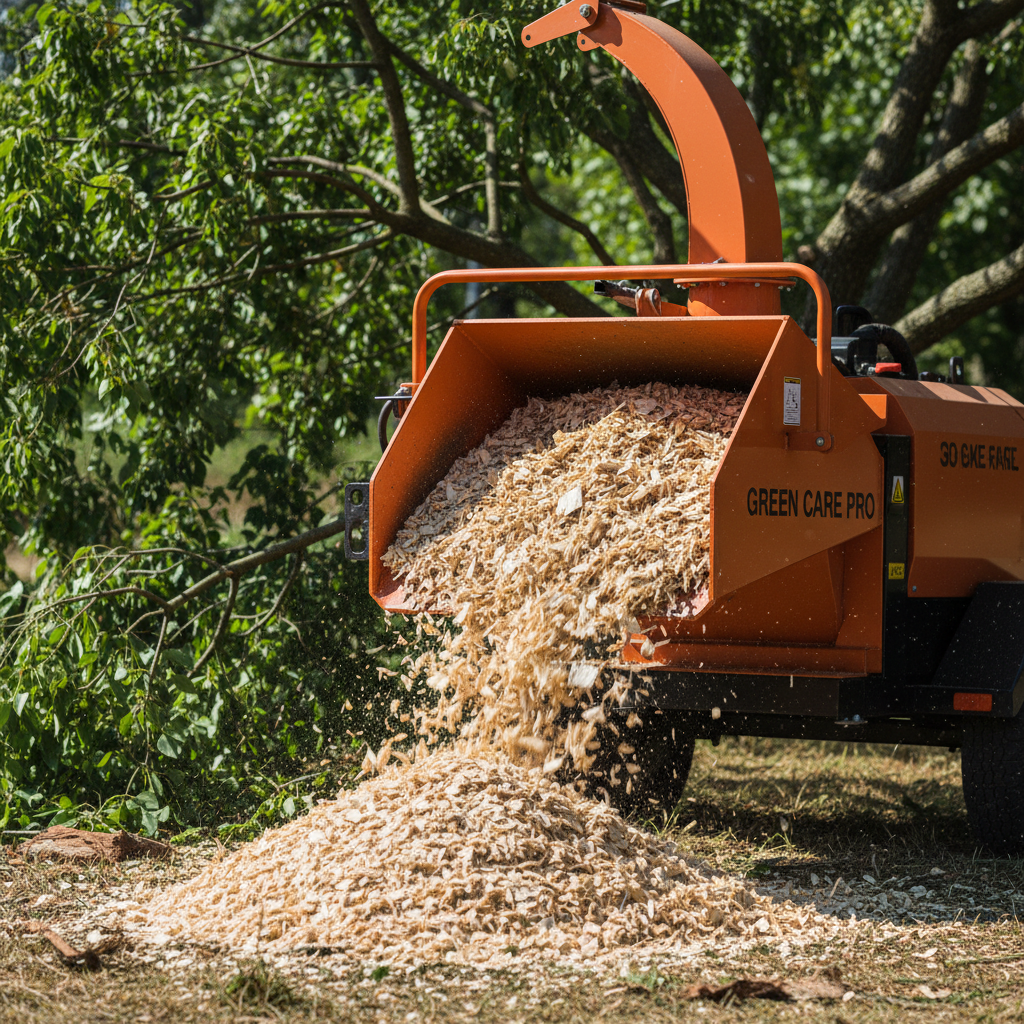
For example, the use of electric and hybrid machinery is on the rise, reducing reliance on fossil fuels and decreasing carbon footprints. This shift not only benefits the environment but also aligns with Hawaii's commitment to renewable energy and sustainability.
Myth 3: All Machinery is Imported
Another misconception is that Hawaii imports all its industrial machinery, leading to high costs and logistical challenges. In reality, many local businesses offer machinery solutions that are either manufactured on the islands or sourced from nearby regions, reducing transportation costs and supporting the local economy.
Local companies often provide customized solutions that cater specifically to Hawaii’s unique geographical and environmental conditions. This makes the machinery more suitable and efficient for local industries.

Myth 4: Maintenance is Difficult and Expensive
Many believe that maintaining industrial machinery in Hawaii is both challenging and costly. While maintenance can be an investment, it is not as daunting as often perceived. Regular maintenance ensures machinery operates efficiently and minimizes the risk of breakdowns, which can be far more costly.
Hawaii boasts skilled technicians and service providers who specialize in industrial machinery maintenance, ensuring that support is readily available. Additionally, many manufacturers offer warranties and service packages to help manage costs.
Conclusion
Understanding the realities of industrial machinery in Hawaii helps dispel myths and highlights the importance of these tools in supporting the local economy. By embracing technological advancements and sustainable practices, Hawaii can continue to grow its industries while preserving its natural beauty.