Comparing Dirt and Cinder for Landscaping Projects in Hawaii


Understanding the Basics: Dirt and Cinder
When planning a landscaping project in Hawaii, choosing the right materials can significantly impact the outcome. Among the most commonly considered materials are dirt and cinder, each offering unique benefits and challenges. Understanding these can help you make an informed decision.
Dirt is the traditional choice for many landscaping projects. It is versatile, supports plant growth, and is generally more affordable. However, there are different types of dirt, such as clay, silt, and loam, each with its own characteristics. Selecting the right type of dirt is crucial for the success of your project.
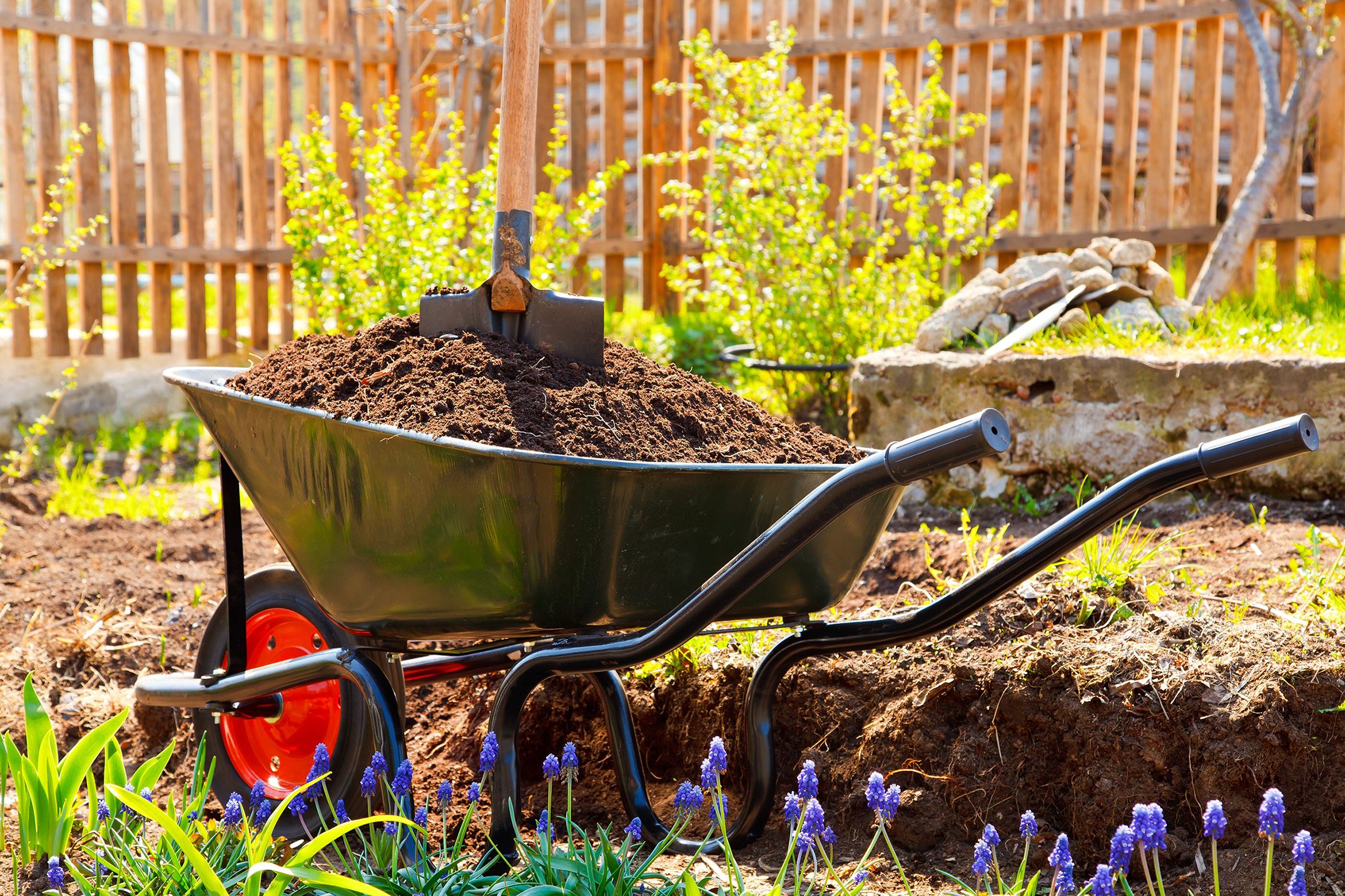
Benefits of Using Dirt
The primary advantage of using dirt is its ability to retain moisture, which is essential for plant growth. This makes it an excellent choice for gardens and lawns. Dirt also provides the nutrients necessary for plants to thrive, ensuring a lush and vibrant landscape.
Another benefit is its availability. Dirt is readily available and can often be sourced locally, reducing transportation costs. Additionally, it can be easily shaped and contoured to fit the specific needs of your project.
Challenges with Dirt
Despite its benefits, dirt can present some challenges. It can become compacted over time, reducing its ability to absorb water and nutrients. This can lead to poor drainage and potentially harm plant roots. Regular maintenance, such as aeration, is necessary to keep dirt in optimal condition.
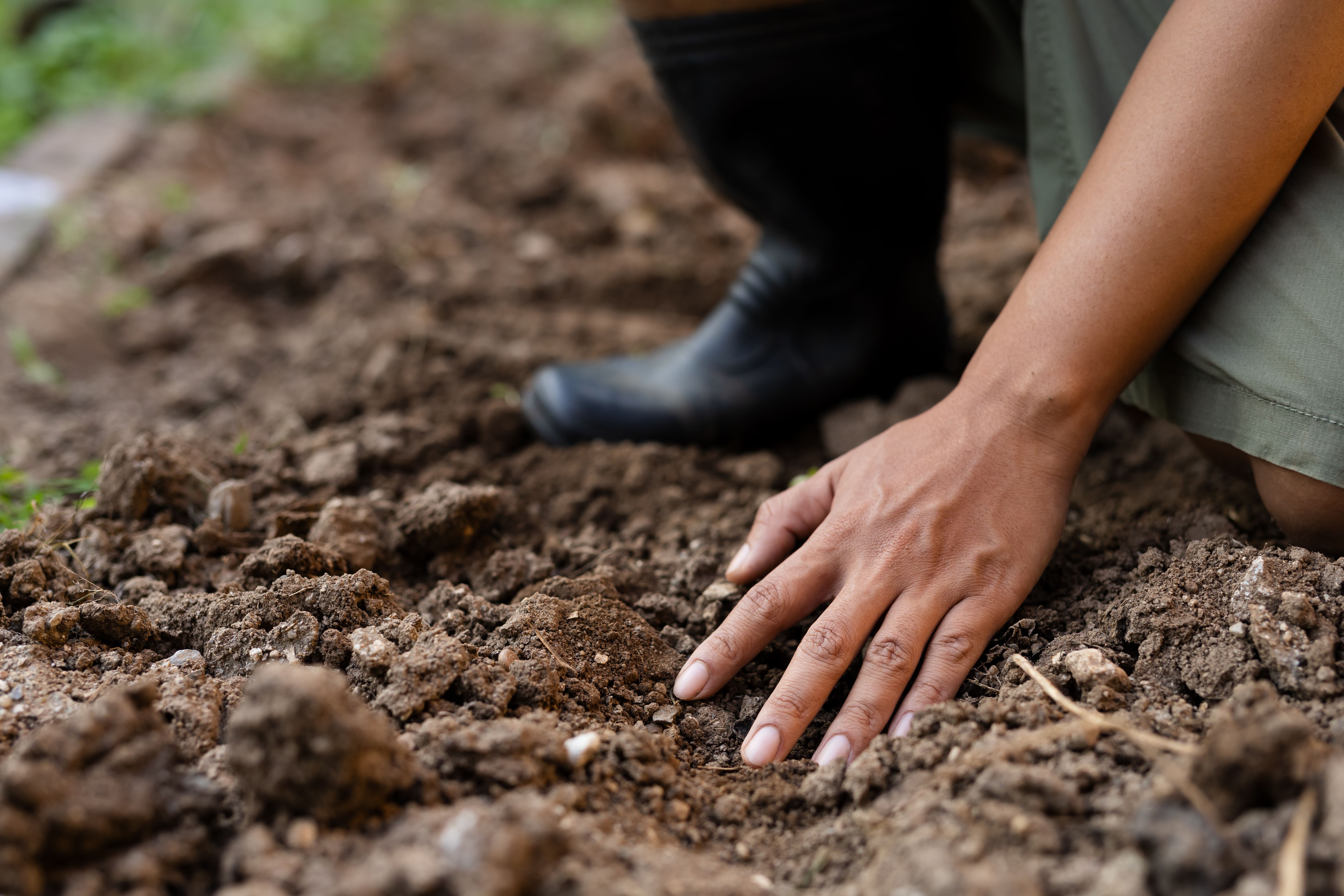
Exploring the Use of Cinder
Cinder, a byproduct of volcanic activity, is another popular choice, especially in Hawaii. It is lightweight, porous, and excellent for drainage, making it ideal for areas prone to heavy rainfall. Cinder is often used in combination with other materials to enhance landscaping projects.
One of the standout features of cinder is its ability to improve soil structure. By mixing cinder with traditional dirt, you can create a well-draining environment that supports healthy plant growth.
Advantages of Cinder
- Improved drainage: Cinder's porous nature allows excess water to drain away quickly.
- Lightweight: Easier to transport and spread compared to heavier materials.
- Longevity: Resistant to compaction, maintaining its structure over time.
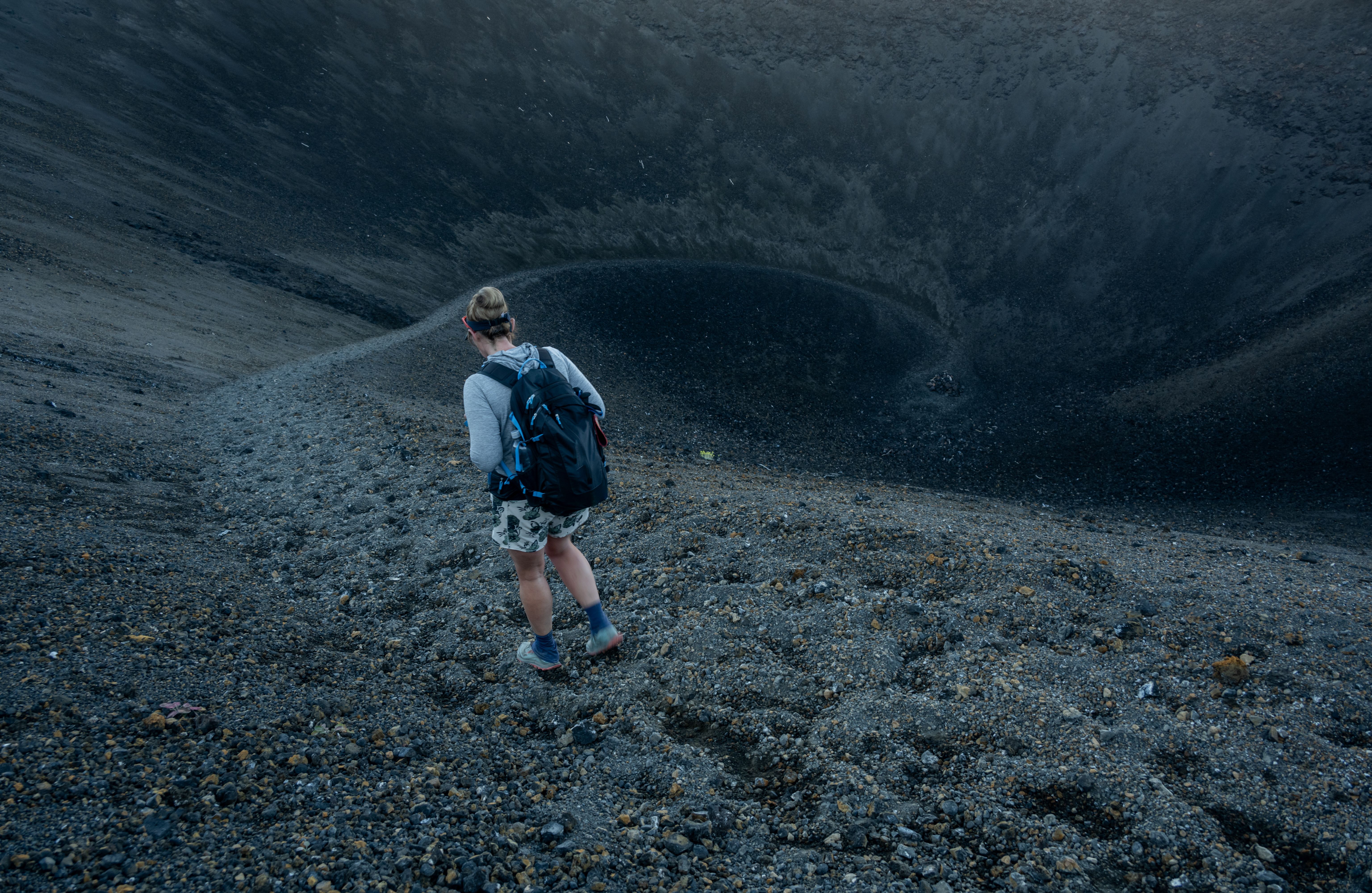
Choosing the Right Material for Your Project
When deciding between dirt and cinder, consider the specific needs of your project. If you are creating a garden that requires nutrient-rich soil, dirt may be the better option. However, if drainage is a primary concern, incorporating cinder might be more beneficial.
Many landscapers choose to use a combination of both materials to capitalize on their respective strengths. By blending dirt's nutrient capacity with cinder's drainage abilities, you can create a balanced environment for your plants.
Conclusion
Ultimately, the choice between dirt and cinder depends on your landscape's unique requirements. Evaluate the environmental conditions, desired plant types, and long-term maintenance goals to make the best decision. With careful consideration, you can create a thriving landscape that enhances the natural beauty of Hawaii.