Comparing Septic Digging Equipment: What Works Best in Hawaii?


The Importance of Choosing the Right Septic Digging Equipment
When it comes to installing or repairing septic systems in Hawaii, selecting the right equipment is crucial. The unique terrain and soil conditions of the islands present specific challenges that require specialized solutions. This makes it essential to evaluate different types of septic digging equipment to ensure efficiency and effectiveness.
Several factors come into play when choosing the appropriate machinery, including the landscape, soil type, and project size. In Hawaii, volcanic soil and rocky terrain are common, which can complicate excavation tasks if the wrong equipment is used.
Excavators: The All-Rounder
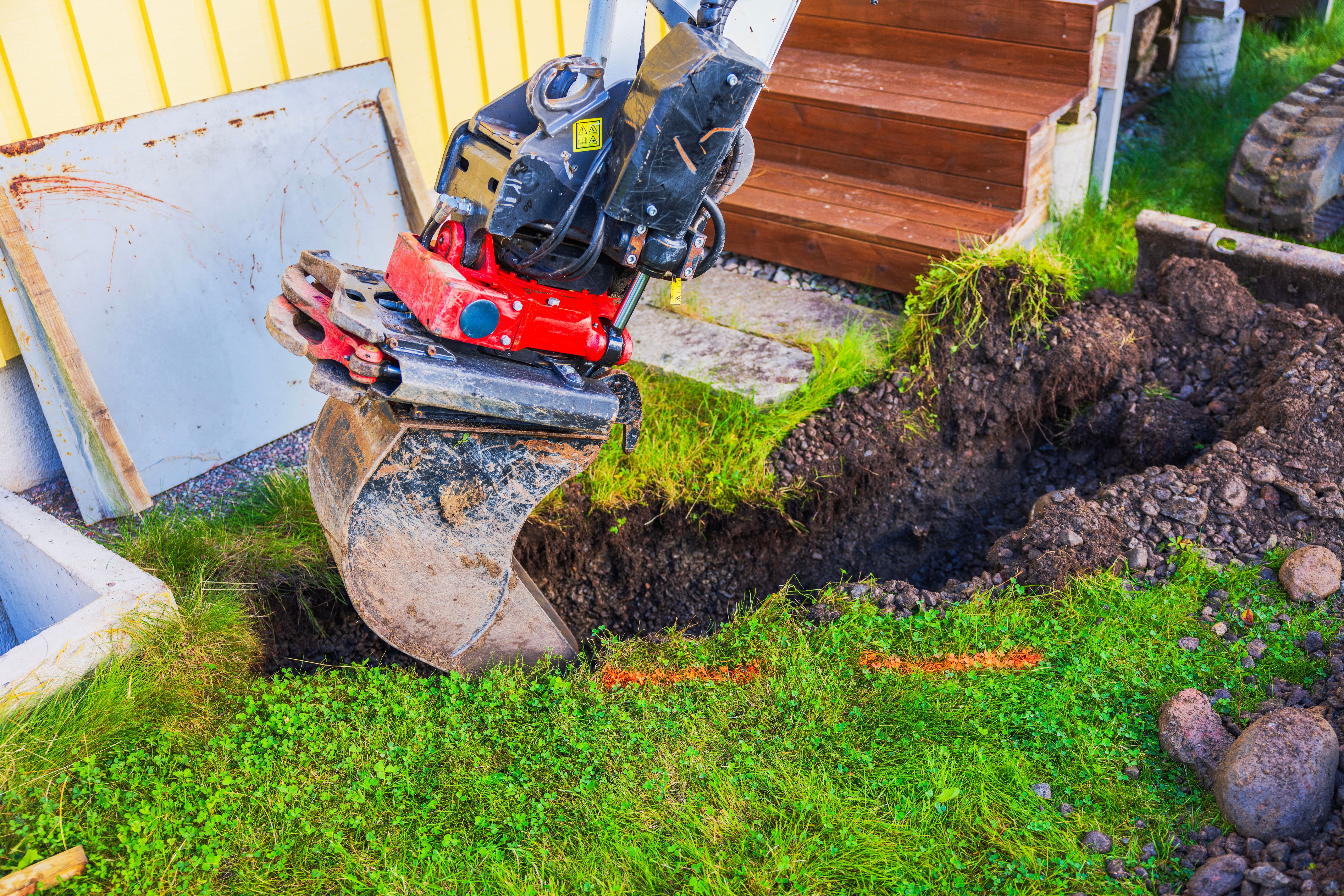
Excavators are a popular choice for septic digging projects in Hawaii due to their versatility. These machines come in various sizes, from compact to large, making them suitable for both small residential projects and large commercial installations. They are adept at handling tough soil conditions, thanks to their powerful hydraulic systems and versatile attachments.
Compact excavators are particularly favored for residential areas where space is limited. Their ability to maneuver in tight spaces without compromising on power makes them ideal for Hawaiian landscapes.
Backhoes: A Cost-Effective Option
Backhoes are another viable option for septic digging, offering a combination of digging and lifting capabilities. These machines are often more affordable than excavators, making them an attractive choice for budget-conscious projects. However, in Hawaii's rocky terrain, backhoes might struggle compared to more robust equipment.

Despite this, their dual functionality can be advantageous in situations where both excavation and material handling are required. Careful assessment of the site conditions is necessary to determine if a backhoe is suitable for the task.
Skid Steers: Ideal for Tight Spaces
In areas where access is limited, skid steers can be exceptionally useful. These compact machines are highly maneuverable and can be equipped with various attachments to enhance their digging capabilities. Skid steers are particularly effective in residential areas with narrow pathways and limited entry points.
However, their smaller size means they might not be suitable for larger projects where deeper excavation is required. Evaluating the project scale is essential when considering skid steers for septic digging in Hawaii.
Considerations for Hawaiian Terrain
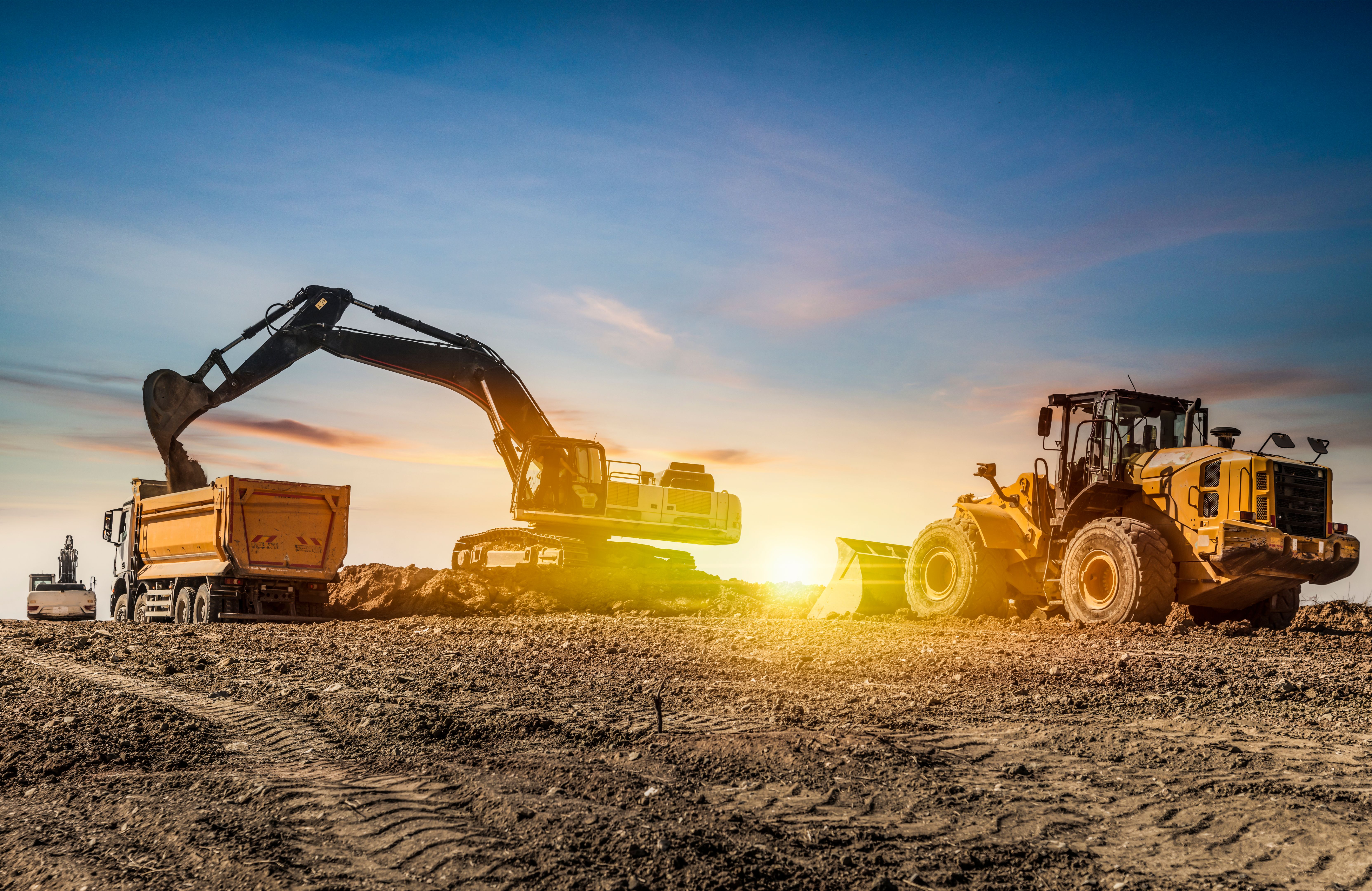
When working in Hawaii, it's important to consider the unique environmental and regulatory factors. Local regulations may dictate specific requirements for septic system installations, influencing equipment choice. Additionally, the presence of volcanic rock and clay-rich soils can make excavation more challenging.
Consulting with local experts who understand the intricacies of Hawaiian terrain can provide invaluable insights into selecting the right equipment. Their experience can help anticipate potential obstacles and ensure projects proceed smoothly.
Conclusion
Choosing the right septic digging equipment for Hawaii requires a careful assessment of the landscape, project requirements, and budget. Whether opting for the versatility of excavators, the cost-effectiveness of backhoes, or the maneuverability of skid steers, understanding the strengths and limitations of each option is key.
By taking these factors into account, contractors can optimize their operations, reduce costs, and ensure the successful completion of septic system projects in the unique environment of Hawaii.