Expert Advice on Digging Septic Systems in Hawaii's Volcanic Soil


Understanding Hawaii's Volcanic Soil
Hawaii's unique landscape presents both challenges and opportunities when it comes to installing septic systems. The volcanic soil, while rich in nutrients, poses specific obstacles that require careful consideration. Understanding these factors is crucial to ensure the longevity and effectiveness of your septic system.
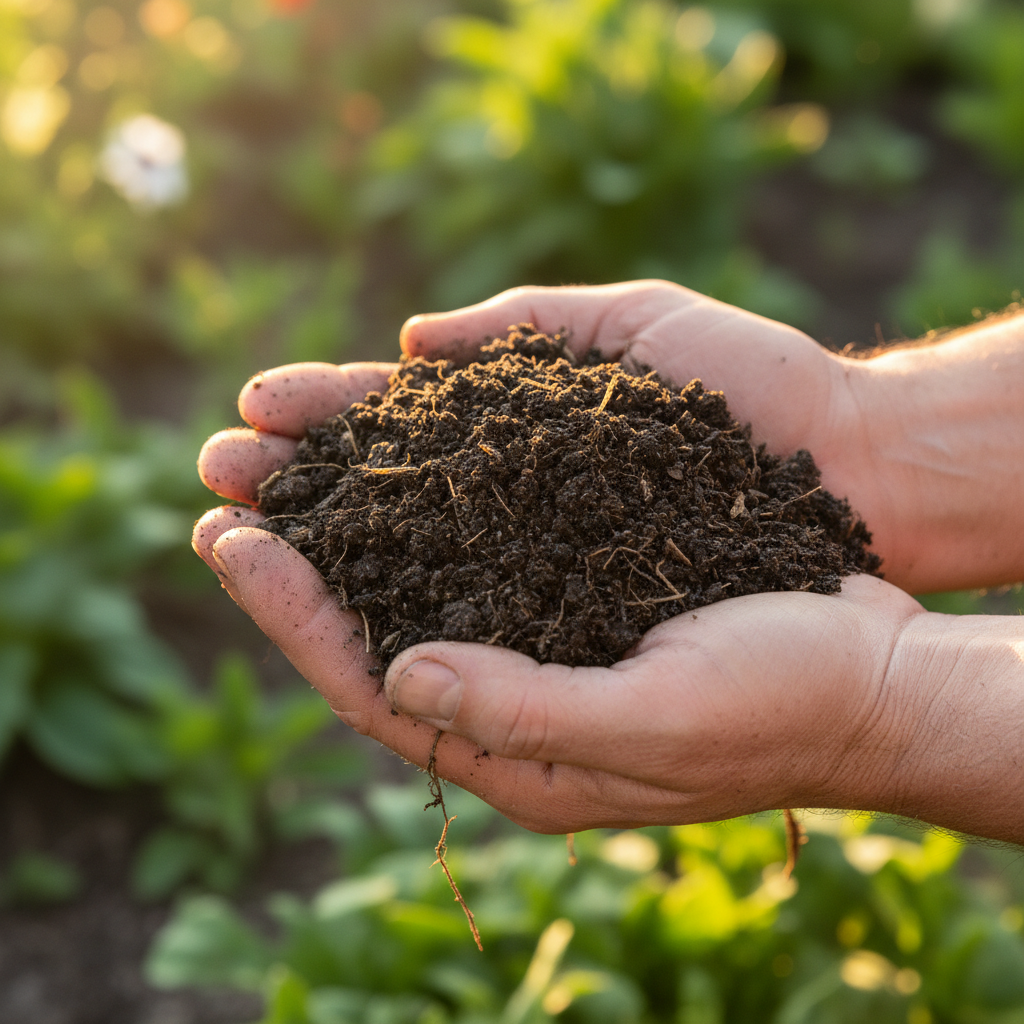
Volcanic soil is known for its density and poor drainage capabilities. This can make digging more labor-intensive and may require specialized equipment. It's important to assess the soil conditions thoroughly before starting any excavation work.
Choosing the Right Equipment
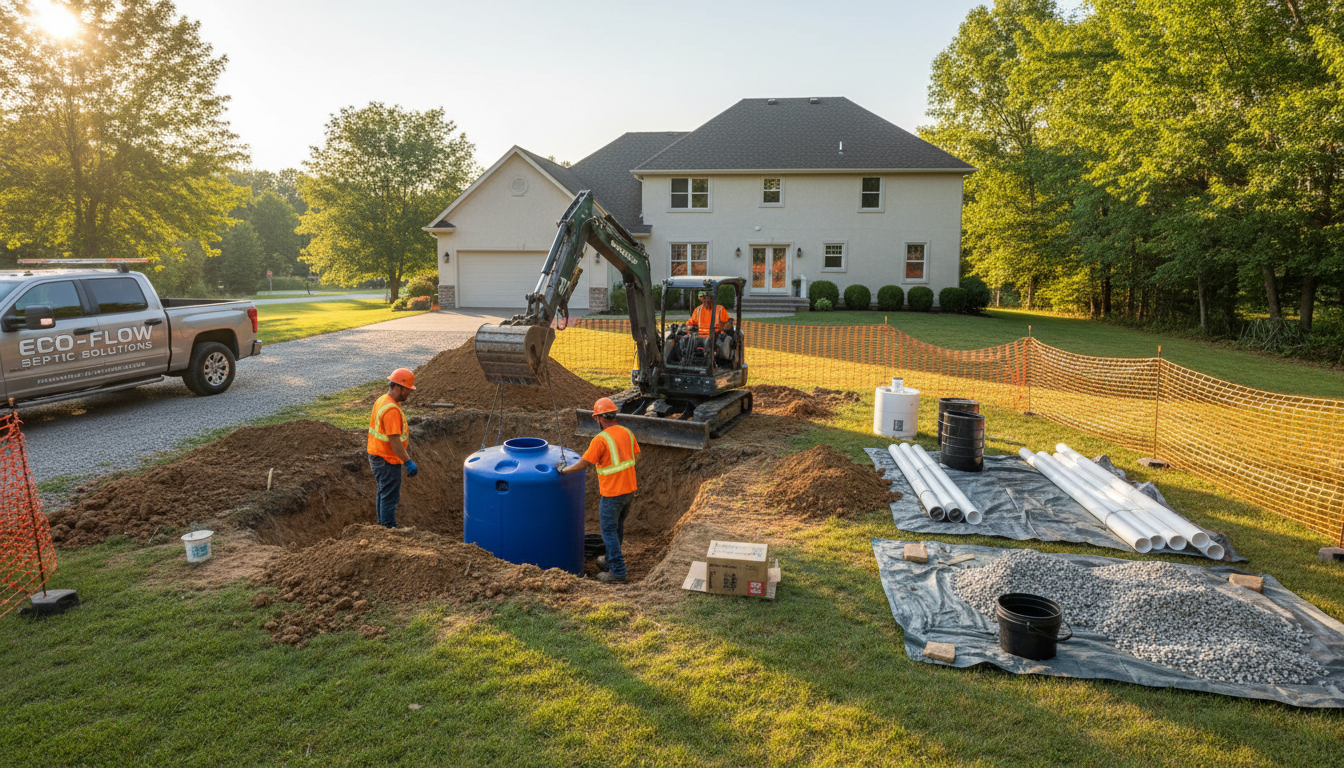
When digging in Hawaii's volcanic soil, selecting the appropriate equipment is vital. Trenching machines and backhoes are commonly used, but their effectiveness can vary based on soil composition. Consulting with a local expert familiar with Hawaii's terrain can help you make the right choice.
Additionally, using equipment that can handle the rocky texture of volcanic soil will prevent unnecessary delays and potential damage. Investing in the right tools at the outset can save both time and money in the long run.
Environmental Considerations
Septic system installation in Hawaii must adhere to environmental regulations designed to protect the island's delicate ecosystem. Proper waste management is crucial to prevent contamination of groundwater and nearby water sources.
Working with local authorities and adhering to state guidelines will ensure that your project complies with all necessary regulations. It’s essential to obtain the correct permits before beginning any excavation work, as failure to do so can result in hefty fines.
Dealing with Weather Conditions
Hawaii's weather can be unpredictable, with sudden rain showers and tropical storms. These conditions can affect the timeline of your project, as wet soil is more challenging to work with. Planning your excavation during the dry season can help mitigate these issues.
Monitoring weather forecasts and having contingency plans in place will ensure that your project stays on track, even when nature doesn’t cooperate. Flexibility and preparedness are key to overcoming weather-related challenges.
Local Expertise and Collaboration
Collaborating with local experts who understand the intricacies of Hawaii's volcanic soil is invaluable. They can provide insights into the best practices for excavation and installation, as well as help troubleshoot any issues that arise during the process.
Building a network with local contractors and suppliers can streamline your project and ensure that you have access to the resources and knowledge needed for a successful installation.
Conclusion
Digging septic systems in Hawaii's volcanic soil requires a strategic approach and an understanding of the unique challenges involved. By choosing the right equipment, adhering to environmental regulations, planning for weather conditions, and leveraging local expertise, you can ensure a successful and sustainable installation.
Embracing these strategies will not only address the challenges of Hawaii's volcanic terrain but also contribute to the preservation of its natural beauty.