Myth-Busting: Common Misconceptions About Cinder Use in Landscaping


Introduction to Cinder in Landscaping
Cinder, a lightweight and porous volcanic rock, is gaining popularity in landscaping projects. However, several misconceptions about its use persist. This post aims to debunk these myths and provide clarity on the benefits and applications of cinder in landscaping.
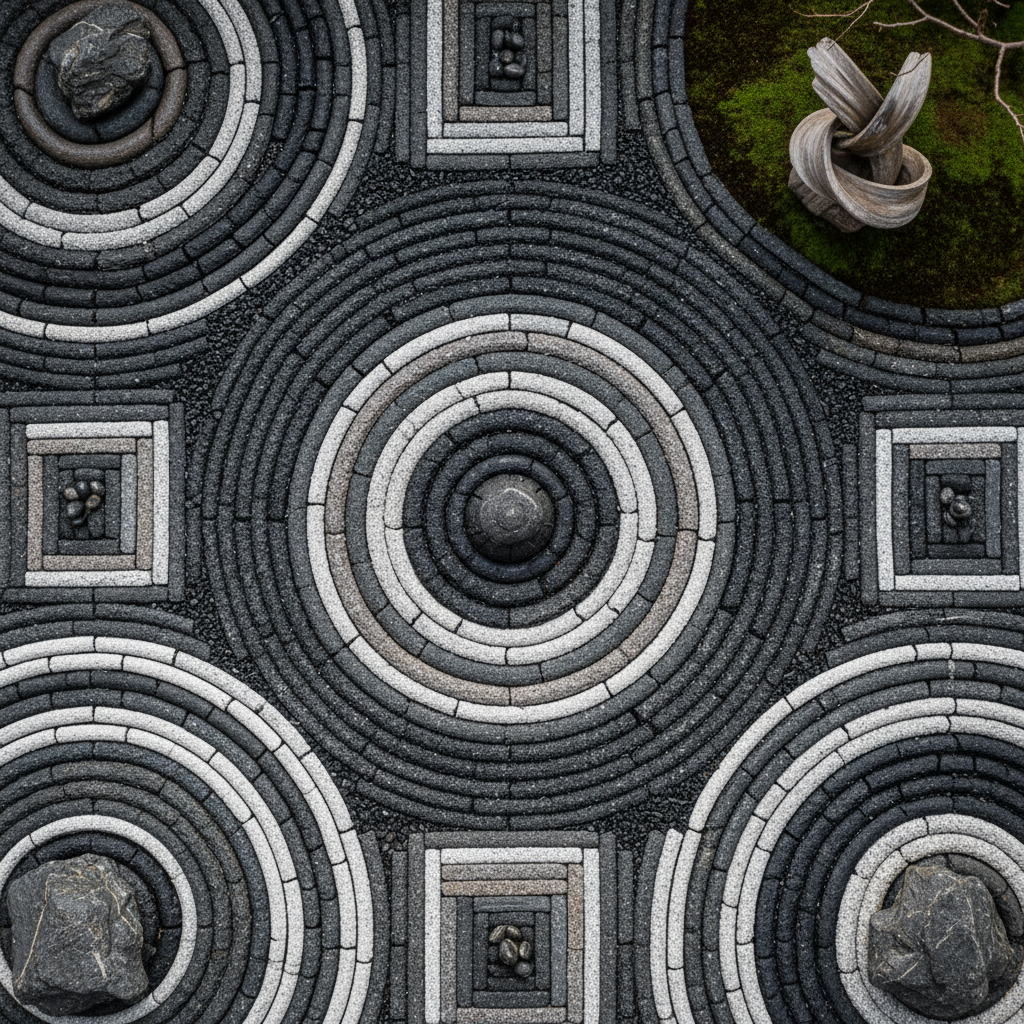
Cinder Is Not Durable
One common misconception is that cinder lacks durability. In reality, cinder is a robust material that can withstand various weather conditions. Its volcanic origin gives it a unique composition that makes it both strong and long-lasting.
Its porous nature not only adds to its durability but also aids in water drainage, making it a suitable choice for garden beds and pathways. Unlike other materials that may erode quickly, cinder maintains its structure over time.
Cinder Impacts Soil Negatively
Another myth is that cinder negatively affects soil quality. In truth, cinder can improve soil aeration and drainage, benefiting plant health. Its porous texture allows air and water to move through the soil more efficiently, promoting root growth.
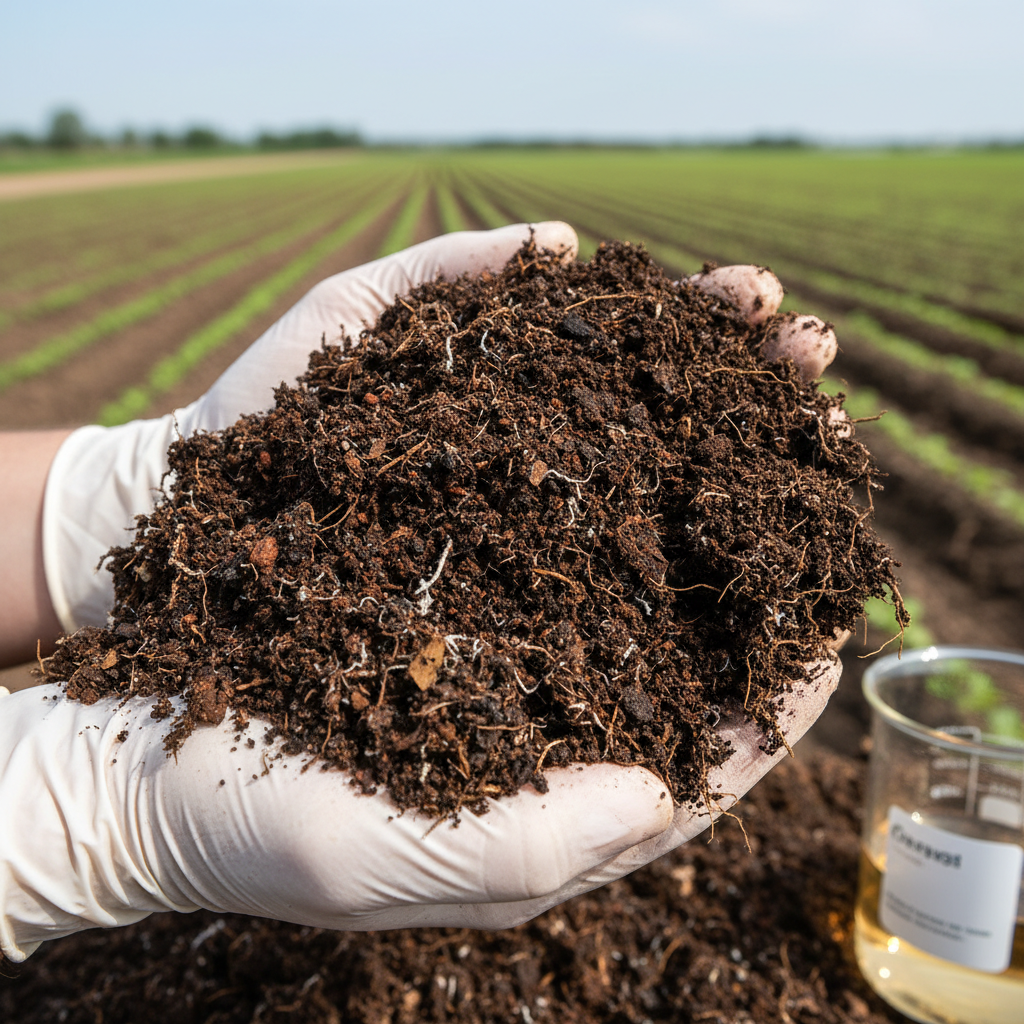
Additionally, cinder’s neutral pH means it won’t alter the soil’s acidity, making it compatible with a variety of plants. It's an excellent choice for those looking to enhance soil structure without chemical interference.
Cinder Is Only for Industrial Use
Many believe cinder is only suitable for industrial applications due to its rugged appearance. However, its aesthetic qualities make it perfect for creating visually appealing landscapes. From modern designs to rustic themes, cinder can be used creatively to complement various styles.
Garden designers often utilize cinder to add texture and contrast, enhancing the overall visual impact of outdoor spaces. Its versatility extends beyond industrial use, offering numerous possibilities for residential landscapes.
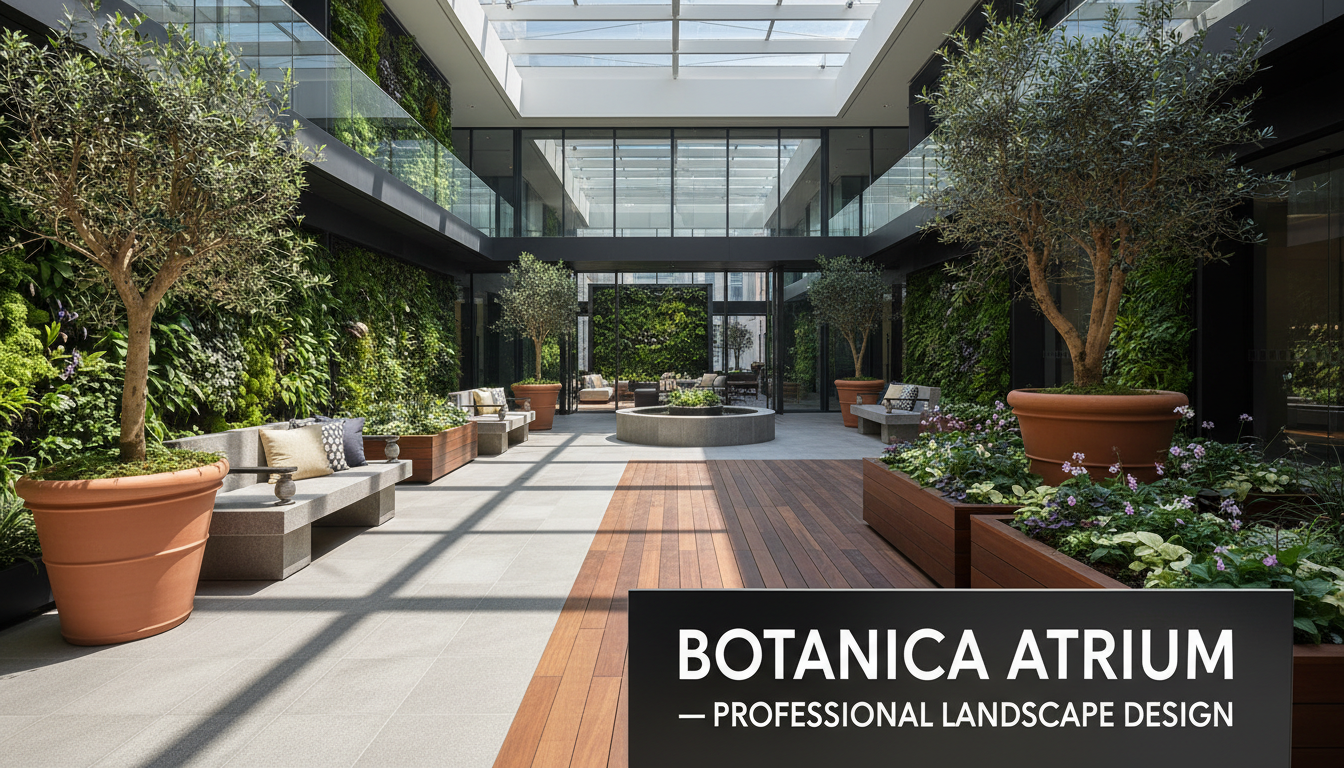
Cinder Is Expensive
Cost concerns also contribute to the hesitation in using cinder. While it might seem pricey initially, its long-term benefits and durability make it a cost-effective option. Its low maintenance requirements reduce the need for frequent replacements or repairs.
Furthermore, cinder’s contribution to efficient water drainage can prevent costly landscaping issues like waterlogging, thereby saving money in the long run.
Conclusion: Embracing Cinder for Landscaping
By debunking these myths, it's clear that cinder is a valuable resource for landscaping. Its durability, positive impact on soil, aesthetic versatility, and cost-effectiveness make it a worthwhile consideration for any landscaping project.
As more homeowners and landscapers recognize these benefits, the use of cinder is sure to increase. Embrace this unique material to enhance your outdoor spaces with both functionality and beauty.