Myth-Busting: Common Misconceptions About Excavation Equipment


Excavation equipment is a critical component in construction and mining industries, yet many misconceptions surround these powerful machines. These myths can lead to confusion, mismanagement, and even safety issues on the job site. Let's debunk some of the most common misconceptions about excavation equipment.
Myth 1: Excavation Equipment is Only for Large-Scale Projects
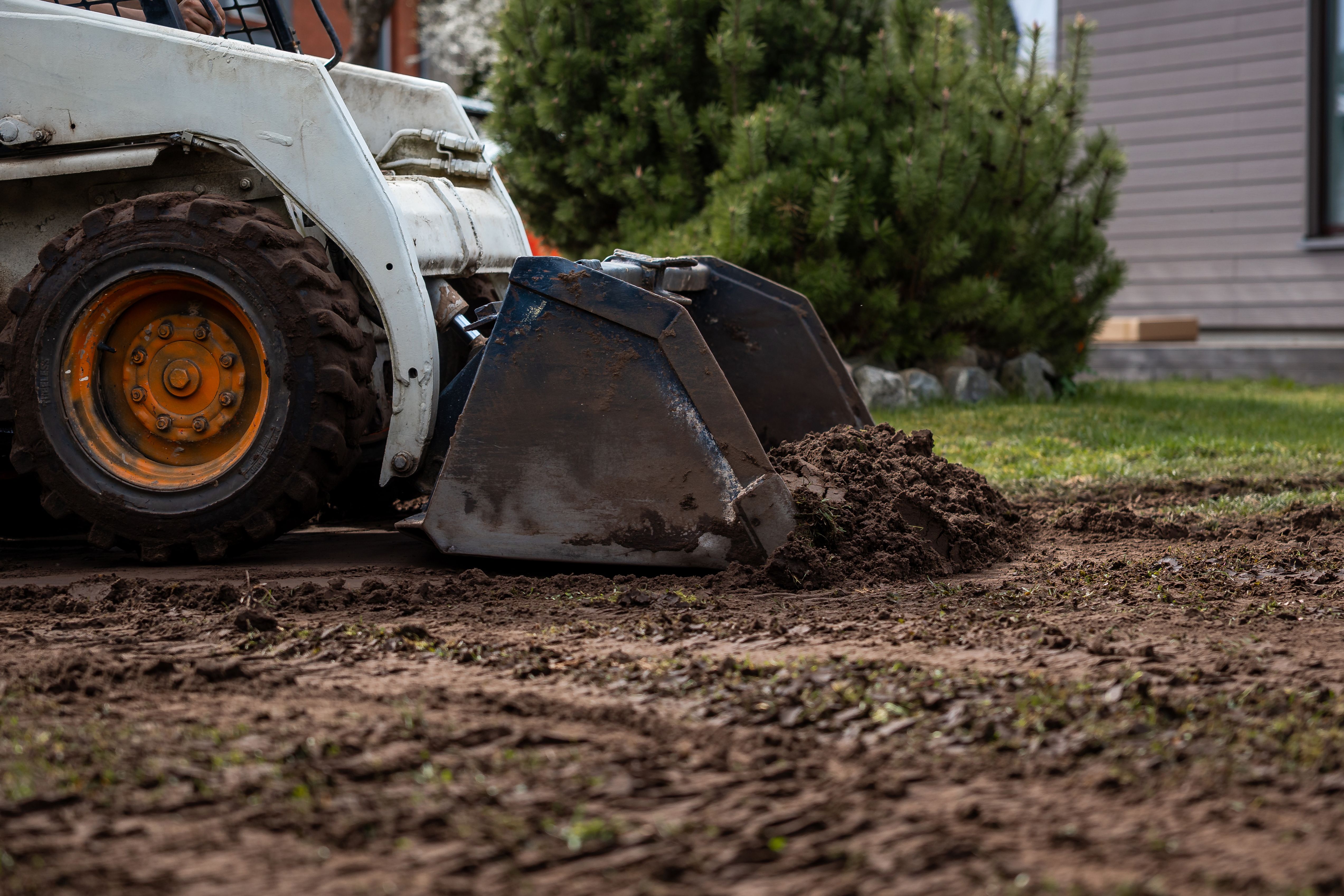
One common misconception is that excavation equipment is only suitable for large-scale projects. This is far from the truth. Excavators come in various sizes, from compact models for small urban projects to massive machines for large construction sites. Even in residential areas, smaller excavators can efficiently handle tasks like digging trenches, landscaping, and pool installations.
Versatility Across Industries
Excavation equipment is not limited to construction alone. Industries such as agriculture, forestry, and utilities also utilize these machines for various tasks. Their adaptability makes them invaluable across diverse sectors, proving that size and application can vary significantly.
Myth 2: All Excavators Are the Same
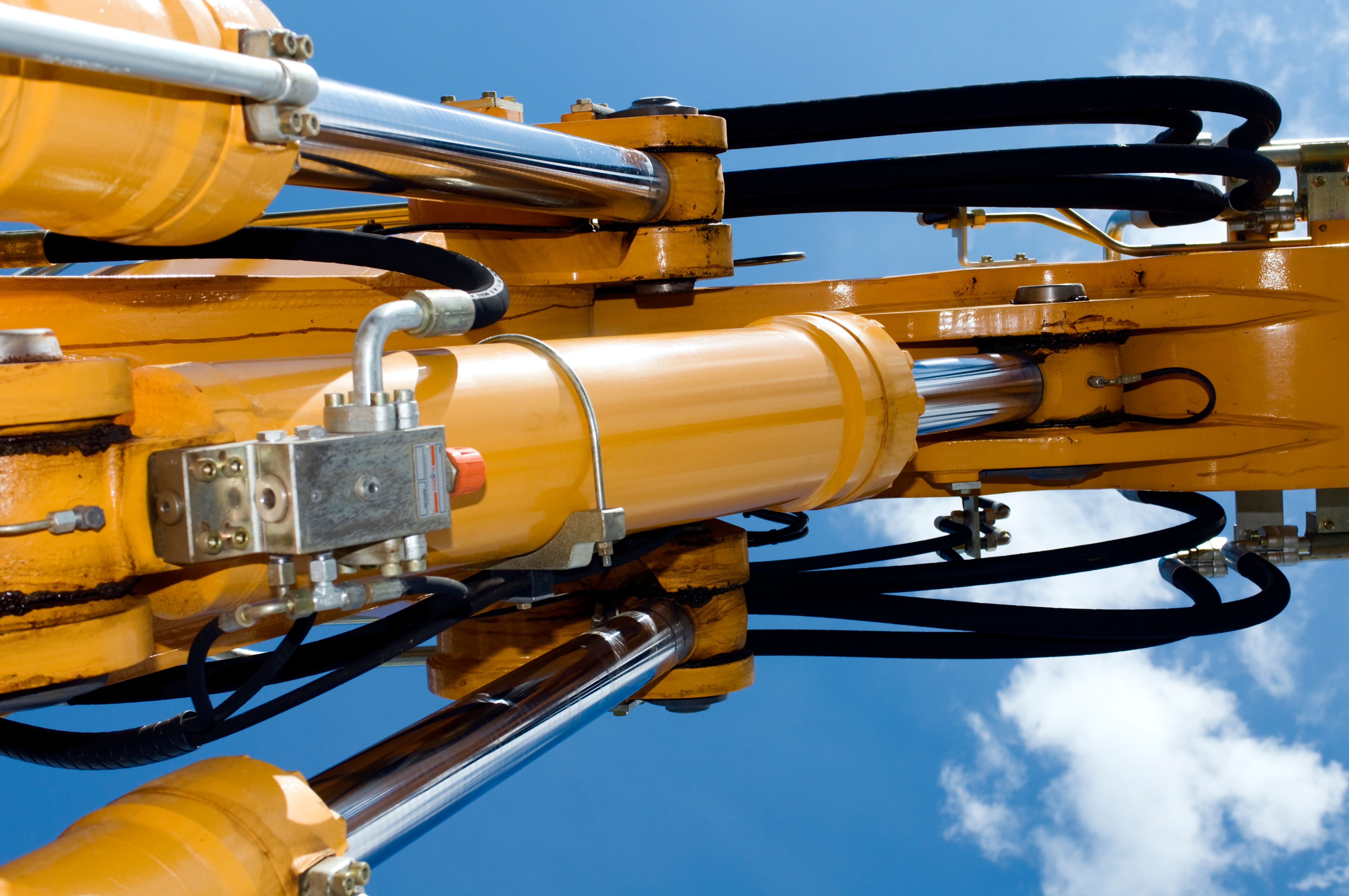
Many people believe that all excavators perform the same functions. However, this is a misconception. Excavators are equipped with different attachments and technologies designed for specific tasks. For instance, a hydraulic hammer is used for demolition, while a grapple is perfect for handling debris.
Choosing the Right Equipment
Selecting the right excavator for a job requires understanding the specific needs of the project. Considerations include the type of soil, the nature of the task, and the site's constraints. This ensures efficiency and safety, preventing unnecessary wear and tear on the equipment.
Myth 3: Excavation Equipment is Difficult to Operate
Another prevalent myth is that operating excavation equipment requires years of training. While proficiency does require experience, modern excavators are designed with user-friendly controls and advanced technologies that make them easier to operate. Features such as joystick controls and automated systems enhance precision and reduce the learning curve.
Training and Safety
Proper training is essential for safe and effective operation. Many manufacturers offer comprehensive training programs to ensure operators are skilled and knowledgeable. Safety features like cameras and alarms further assist operators, making modern excavation equipment more accessible than ever.

Myth 4: Excavators Are Inefficient and Waste Fuel
Contrary to the belief that excavators are fuel guzzlers, advancements in technology have significantly improved their fuel efficiency. Modern excavators are equipped with eco-friendly engines and systems designed to optimize fuel use, reducing costs and environmental impact.
Fuel-Saving Technologies
Features like idle shutdown, smart power management, and hybrid systems contribute to efficient fuel consumption. These advancements not only reduce operational costs but also enhance the sustainability of excavation projects.
By understanding the realities of excavation equipment, operators and project managers can make informed decisions that improve efficiency, safety, and overall project success. Dispelling these myths helps pave the way for more effective use of these powerful machines.