Preparing for the Rainy Season: Tips for Using Excavation Equipment in HI


Understanding the Challenges of the Rainy Season
Operating excavation equipment in Hawaii during the rainy season presents unique challenges. The combination of heavy rainfall and the region's diverse terrain can lead to issues such as soil erosion, equipment malfunctions, and safety hazards. Preparing for these challenges is crucial to ensure that projects remain on schedule and within budget.
Understanding the specific weather patterns of the area you're working in can help in planning and executing excavation tasks effectively. Local forecasts and historical weather data can provide valuable insights into what to expect.
Inspect and Maintain Equipment
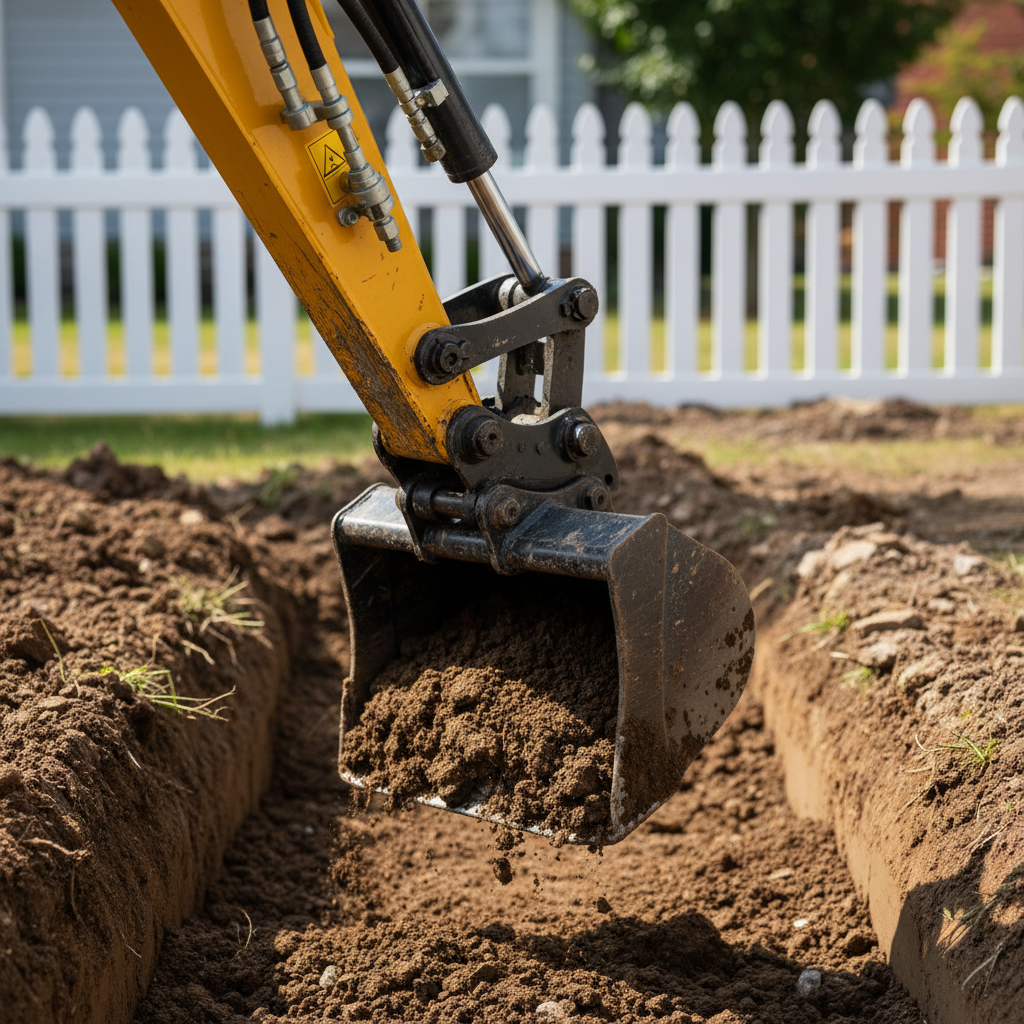
Regular maintenance and inspection of excavation equipment are critical, especially before the rainy season begins. Ensure that all machinery is in optimal working condition to prevent unexpected breakdowns. Key components like hydraulic systems, brakes, and tracks should be checked thoroughly.
Consider creating a maintenance checklist to address common issues. Regularly lubricating moving parts, checking fluid levels, and inspecting electrical systems can greatly reduce the risk of equipment failure.
Protecting Equipment from the Elements
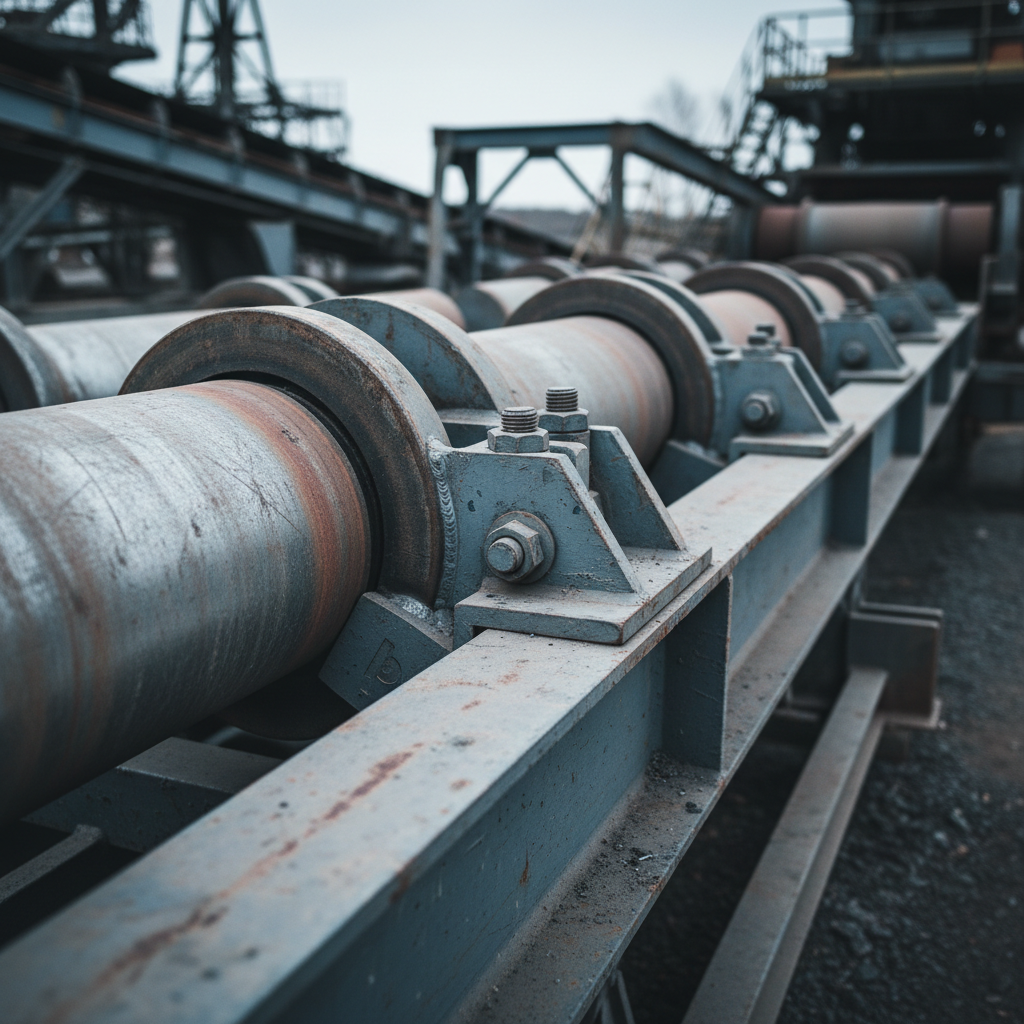
When not in use, store equipment under cover or use waterproof tarps to protect it from rain. Water exposure can lead to rust and other damage, which can compromise the integrity and performance of the machinery.
Adapting Work Schedules
Flexibility in scheduling can make a significant difference during the rainy season. Plan for potential delays and adjust work hours to take advantage of dry periods. This proactive approach can help minimize downtime and keep the project on track.
Communicate with your team to ensure everyone is aware of the schedule changes and understands the importance of adhering to them. Clear communication can help prevent confusion and maintain productivity.
Ensuring Safety on Site
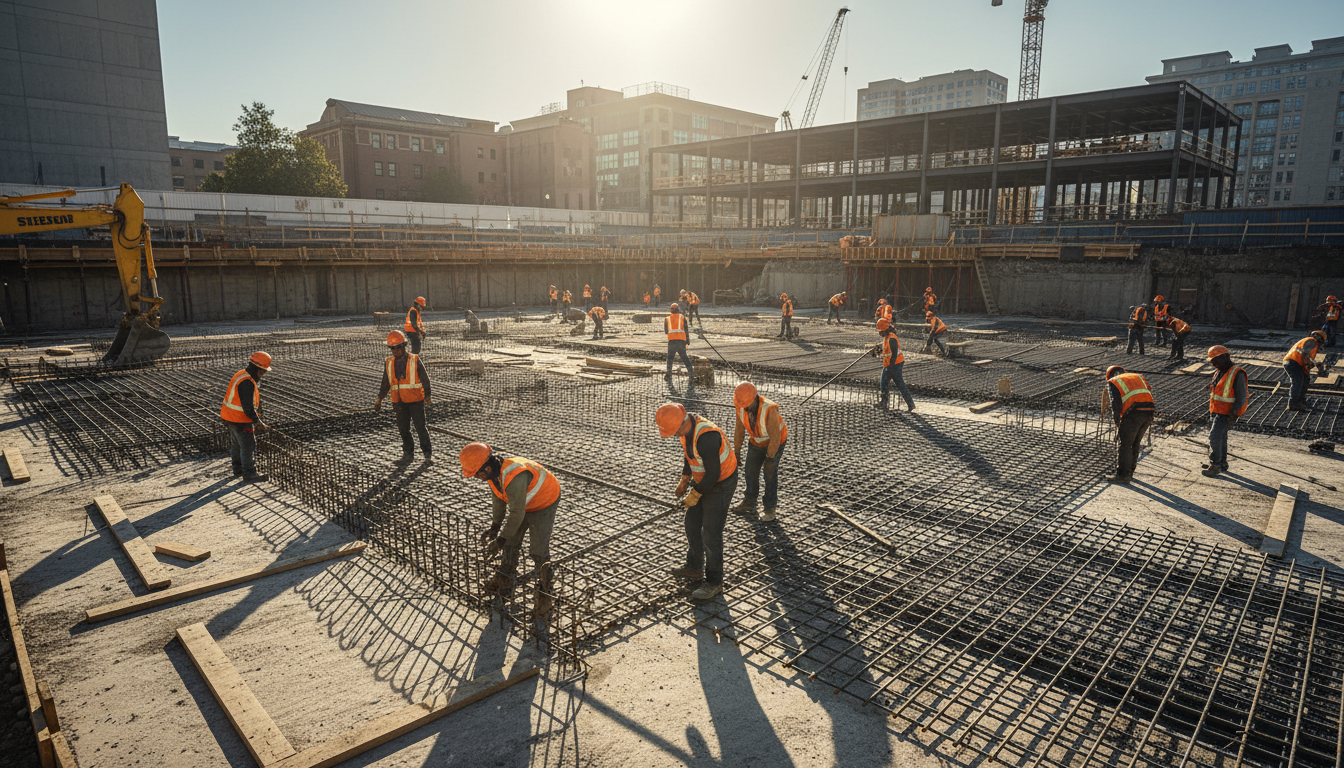
Safety should always be a top priority, particularly when working in wet and slippery conditions. Conduct regular safety briefings and ensure all workers are equipped with proper gear, such as non-slip boots and raincoats.
Additionally, implement safety measures like securing loose materials and using signage to warn of potential hazards. Regularly review and update safety protocols to address the specific risks associated with rainy weather.
Soil Management Techniques
Heavy rainfall can lead to soil erosion, which can destabilize excavation sites. Implementing soil management techniques such as terracing, using retaining walls, and planting cover crops can help mitigate this issue.
Consult with a geotechnical engineer if necessary, to develop a robust soil management plan tailored to your specific site conditions.
Utilizing Technology for Monitoring
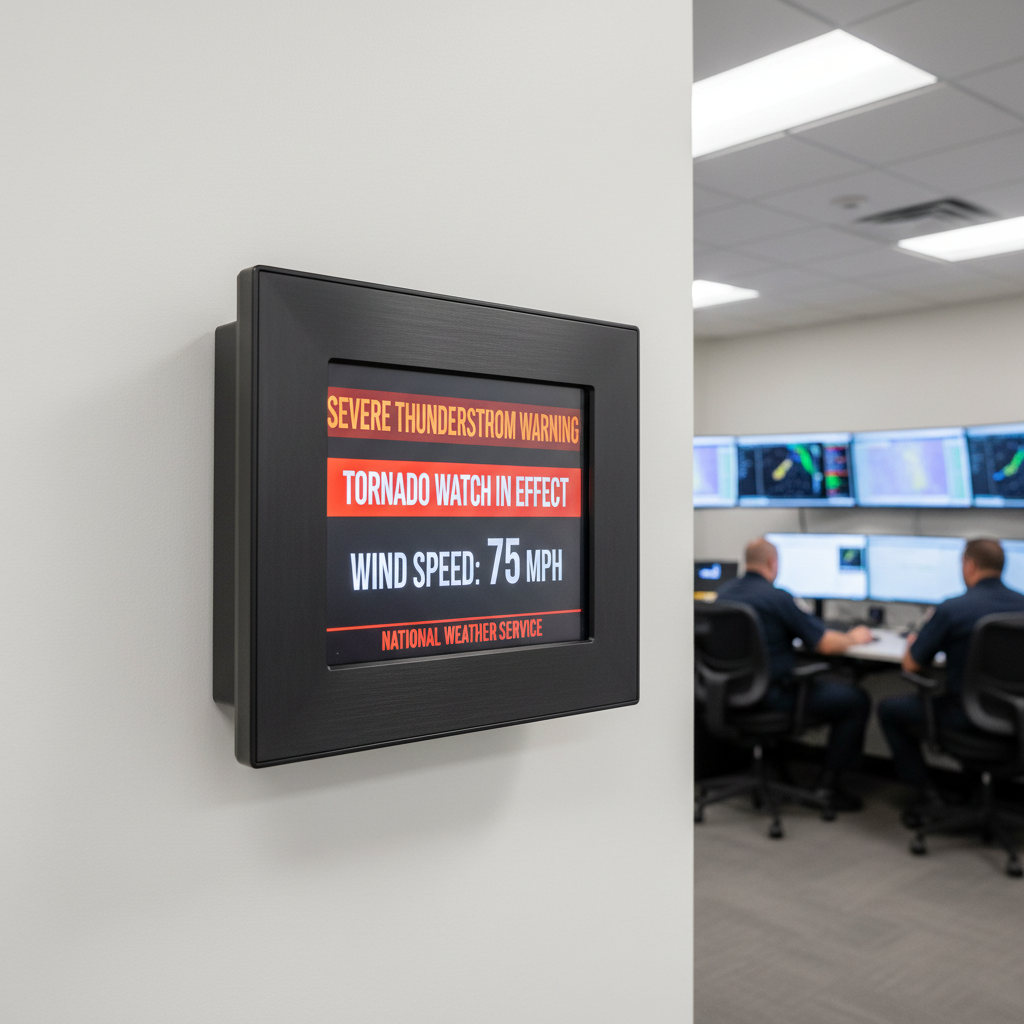
Leverage technology to monitor weather conditions and soil stability. Remote sensors and weather apps can provide real-time data, enabling you to make informed decisions quickly. This technology can be crucial for anticipating potential issues and taking preventive measures.
By preparing adequately for the rainy season, you can ensure that your excavation projects in Hawaii proceed smoothly and safely. Implementing these tips can lead to successful project outcomes, even in challenging weather conditions.