Seasonal Maintenance Tips for Heavy Equipment in Hawaii's Climate


Understanding Hawaii's Unique Climate
Hawaii's tropical climate presents unique challenges for maintaining heavy equipment. With high humidity, salt air, and frequent rain, equipment can experience accelerated wear and tear. Regular maintenance is crucial to extend the lifespan of your machinery and ensure optimal performance.

Regular Cleaning and Inspection
One of the most effective maintenance practices is regular cleaning. Salt air can lead to corrosion, so it's important to wash equipment frequently, especially if it's used near the coast. Inspect your equipment for signs of rust or wear, paying close attention to joints and moving parts.
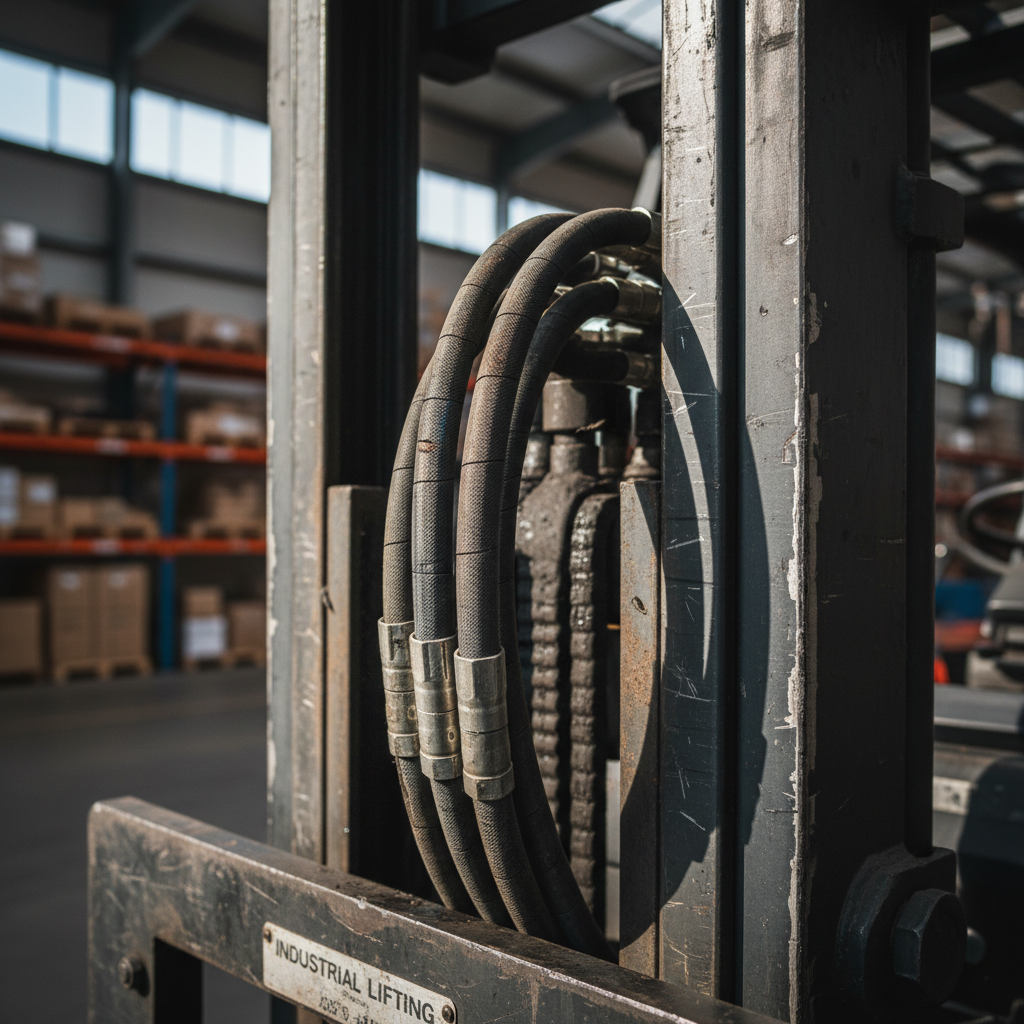
In addition to cleaning, regular inspections are essential. Look for fluid leaks, worn hoses, and damaged seals. Addressing these issues promptly can prevent more significant problems down the line.
Lubrication and Fluid Management
Proper lubrication is vital in Hawaii's humid environment. Ensure all moving parts are well-lubricated to minimize friction and prevent overheating. Use lubricants specifically designed for tropical climates, as they can better withstand the temperature and moisture levels.
Fluid Levels and Quality
Regularly check fluid levels and quality. This includes engine oil, hydraulic fluid, and coolant. Contaminated or low-quality fluids can lead to equipment failure, so it's essential to use high-quality products suited for the climate.
Consider setting a schedule for fluid replacement and stick to it. This proactive approach can help maintain the efficiency and reliability of your machinery.
Protecting Against Corrosion
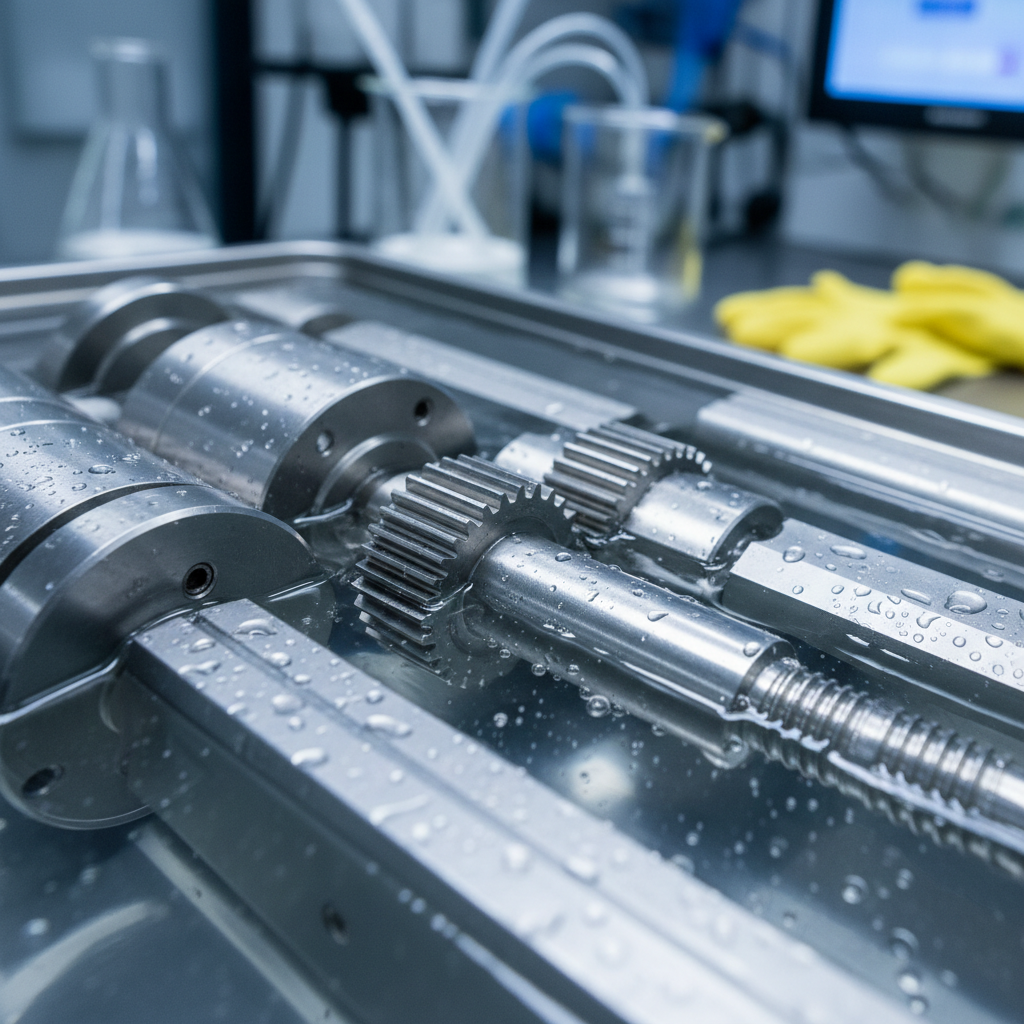
Corrosion is a significant concern in Hawaii due to the salt-rich air. Applying protective coatings and using corrosion-resistant materials can help. Regularly check for signs of rust and address them immediately to prevent further damage.
Storage and Shelter
When not in use, store equipment in a sheltered area to protect it from the elements. If indoor storage isn't possible, use tarps or covers. Proper storage minimizes exposure to rain and salt, reducing the risk of corrosion and other weather-related damage.
Electrical System Care
Hawaii's moisture can affect electrical systems, leading to malfunctions. Regularly inspect wiring and connections for signs of wear or corrosion. Ensuring all electrical components are adequately sealed can prevent moisture ingress and potential failures.
Training and Awareness
Finally, ensure all operators are well-trained in maintenance procedures. Regular training sessions can keep everyone informed about the best practices for maintaining equipment in Hawaii's challenging climate. Awareness and proactive measures are key to extending the life of your heavy machinery.
By following these seasonal maintenance tips, you can keep your heavy equipment running smoothly and efficiently, even in Hawaii's unique environment.