Seasonal Preparation: Maintaining Industrial Machinery in Hawaii's Climate


Understanding Hawaii's Unique Climate Challenges
Maintaining industrial machinery in Hawaii requires special attention due to the island's unique climate. The combination of high humidity, salty air, and varying temperatures can lead to accelerated wear and tear on equipment. This makes seasonal preparation essential for businesses looking to maximize the lifespan and efficiency of their machinery.

Importance of Regular Inspections
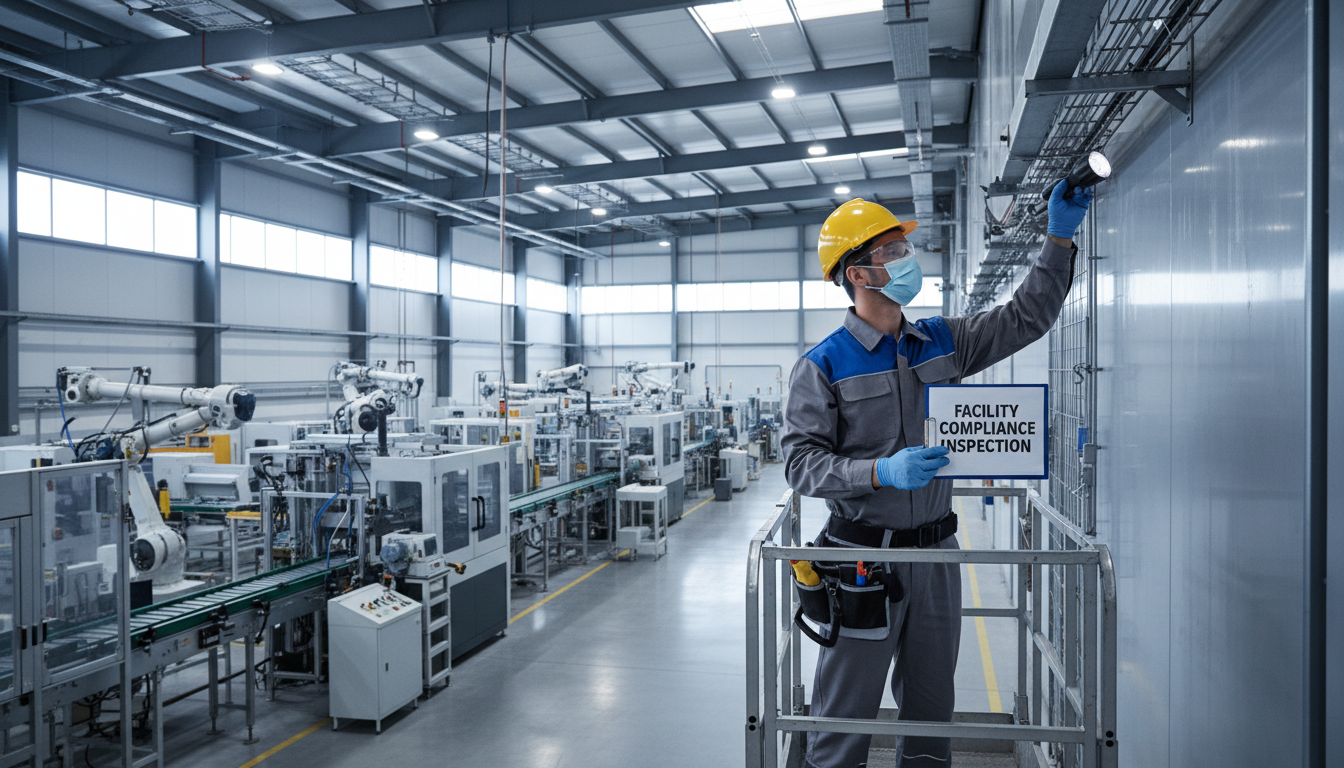
Regular inspections are crucial for identifying potential issues before they become major problems. Conducting thorough checks at the change of each season can help in detecting corrosion, leaks, or other signs of damage. This proactive approach ensures that machinery operates smoothly and avoids unexpected downtime.
Key Areas to Inspect
When inspecting machinery, focus on these critical areas:
- Corrosion: Look for rust or corrosion on metal components, especially those exposed to the elements.
- Lubrication: Ensure that all moving parts are properly lubricated to prevent friction and wear.
- Electrical Systems: Check for any signs of wear or damage to wiring and connections.
Implementing Preventative Maintenance
Preventative maintenance is a strategy that can save significant costs in the long run. By regularly servicing equipment, businesses can prevent minor issues from becoming costly repairs. This approach is particularly important in Hawaii, where environmental factors can exacerbate mechanical problems.
Scheduled Maintenance Tasks
Consider implementing a maintenance schedule that includes tasks such as:
- Regular cleaning to remove salt and debris.
- Replacing worn parts before they fail.
- Updating software and systems to enhance performance.
Utilizing Protective Coatings
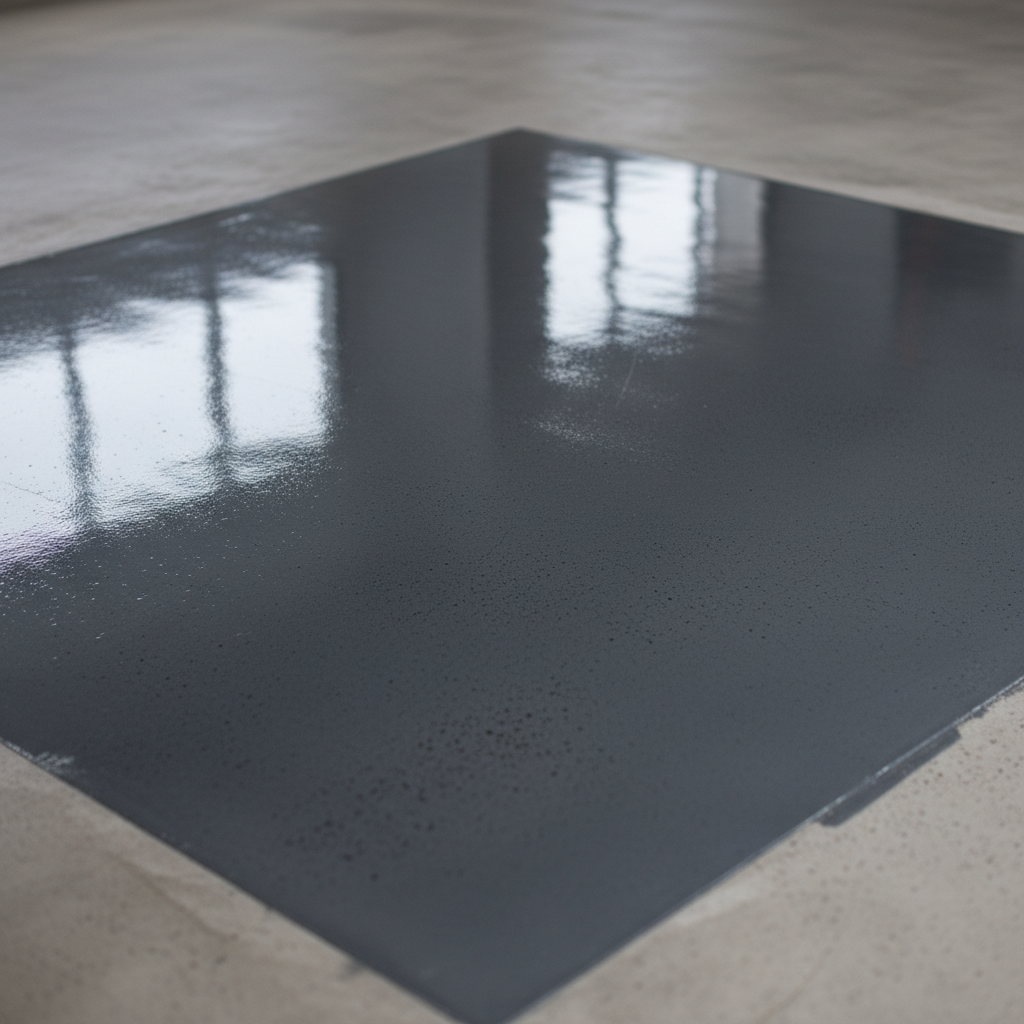
Protective coatings can be a valuable tool in safeguarding machinery against the harsh Hawaiian climate. Applying these coatings can help shield equipment from moisture and salt, significantly reducing the risk of corrosion.
Training and Safety Considerations
Ensuring that staff are properly trained in operating and maintaining machinery is essential. Regular training sessions can help employees understand how to handle equipment safely and recognize early signs of potential issues.
Safety should always be a priority, and implementing comprehensive training programs can minimize risks and enhance operational efficiency. Regular drills and updates on safety protocols can keep teams prepared for any situation.