The Ultimate Guide to Choosing Industrial Machinery for Driveway Construction in Hawaii


Understanding Your Project Requirements
Choosing the right industrial machinery for driveway construction in Hawaii starts with understanding your specific project requirements. Consider the size and scope of the project. Will you be constructing a residential driveway or something more substantial like a commercial parking lot? The scale of the project will largely determine the type of machinery needed.
Another critical factor is the terrain. Hawaii's unique landscape can present challenges such as rocky soil or uneven ground. Assess these conditions beforehand to ensure the machinery you choose is suitable for the terrain.

Types of Machinery for Driveway Construction
Excavators
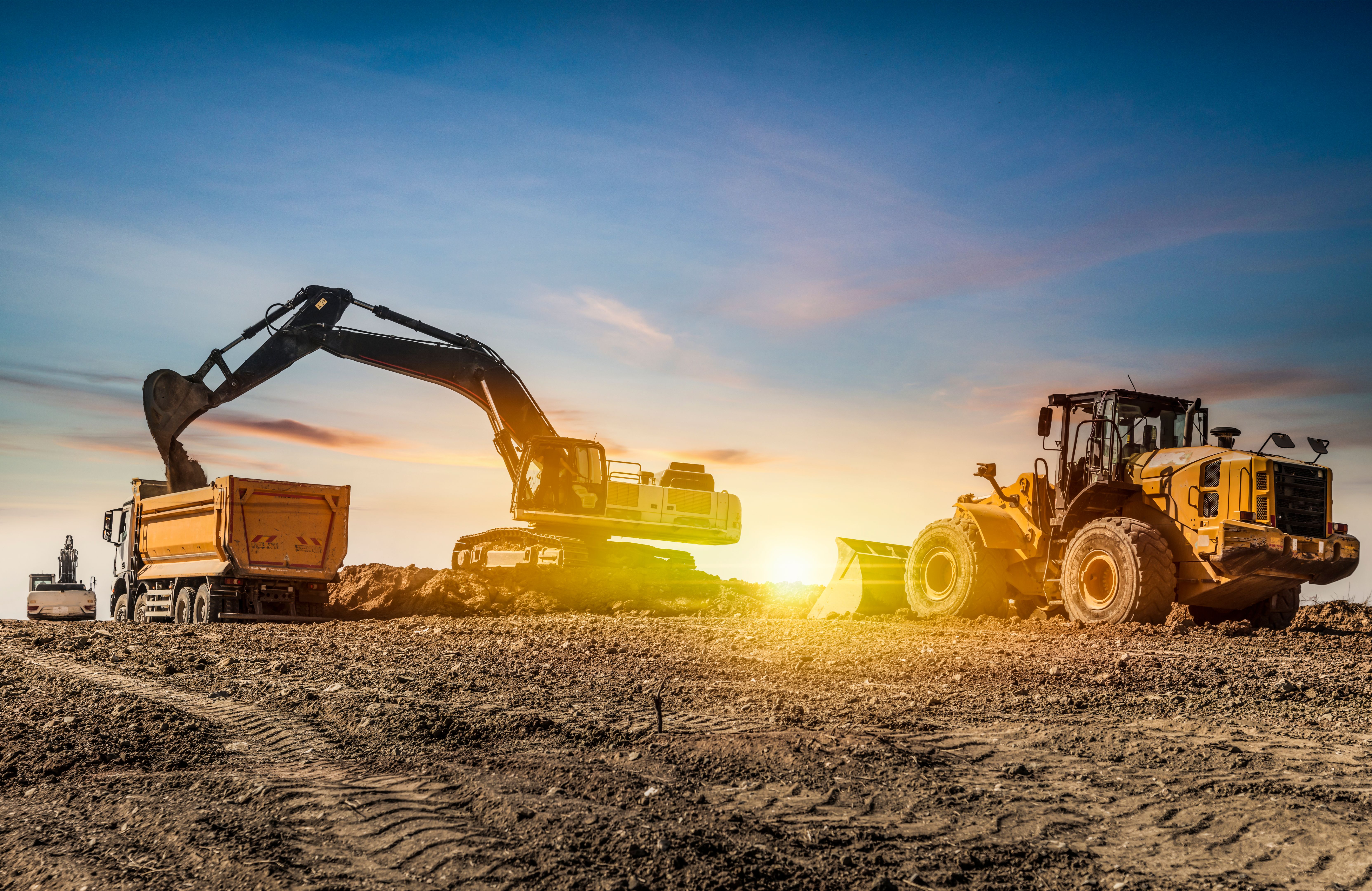
Excavators are essential for clearing the site and preparing the ground for construction. They come in various sizes, so select one that matches the scale of your project. For residential driveways, a mini-excavator might suffice, while larger projects may require a full-sized excavator.
Bulldozers
Bulldozers are used for moving large amounts of material and leveling the ground. In Hawaii, a bulldozer with a strong undercarriage is beneficial due to the rocky soil conditions. Ensure the model you select is equipped to handle the specific challenges of the site.
Considerations for Hawaiian Climate
The tropical climate of Hawaii can impact machinery performance. High humidity and frequent rain showers necessitate machinery with excellent durability and weather resistance. Opt for equipment that includes rust-resistant materials and features designed for wet conditions.
Additionally, machinery with good ventilation systems can prevent overheating, a common issue in Hawaii's warm climate. Ensure regular maintenance checks are part of your plan to keep equipment running smoothly.
Rental vs. Purchase
One of the significant decisions you'll face is whether to rent or purchase machinery. Renting can be cost-effective for short-term projects or if you're trying out new equipment. However, purchasing might be more economical for long-term or frequent use, especially if you run a construction business.
Consider the costs of maintenance and storage if you decide to purchase. Renting can also give you access to the latest technology without the upfront cost.
Evaluating Suppliers and Manufacturers
Choosing the right supplier or manufacturer is crucial. Look for companies with a strong reputation in Hawaii and those that provide excellent customer service and support. Read reviews and ask for recommendations from industry peers.

Check if they offer training and technical support, which can be invaluable, especially if you're unfamiliar with certain machinery. Establishing a good relationship with your supplier can lead to better service and potential discounts.