The Ultimate Guide to Septic Digging Equipment in Hawaii


When it comes to maintaining a septic system in Hawaii, having the right equipment is crucial. The unique terrain and climate of the islands present specific challenges that require specialized tools. Whether you're a homeowner or a professional, understanding the essential septic digging equipment can make all the difference in ensuring your system runs smoothly.
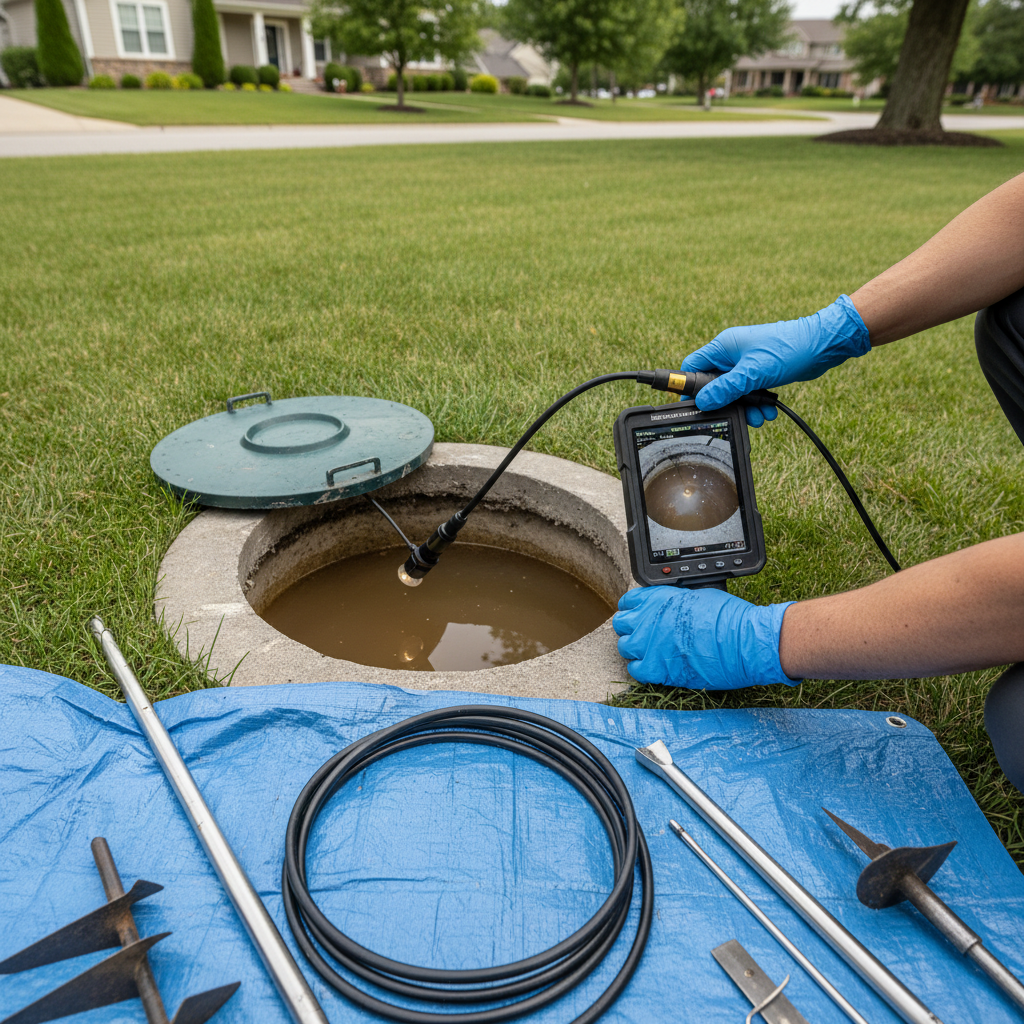
Understanding the Basics of Septic Systems
A septic system is an underground wastewater treatment structure commonly used in areas without centralized sewer systems. It consists of a septic tank and a drain field. Proper maintenance and timely digging are vital to prevent overflow and contamination. In Hawaii, the soil type and landscape can impact the type of equipment needed for septic digging.
Before you begin, it's important to have a clear understanding of your system's layout. This will help you determine the right tools and approach for your septic digging needs.
Essential Septic Digging Tools
Several tools are essential for effective septic digging. Here's a list of the most common equipment used:
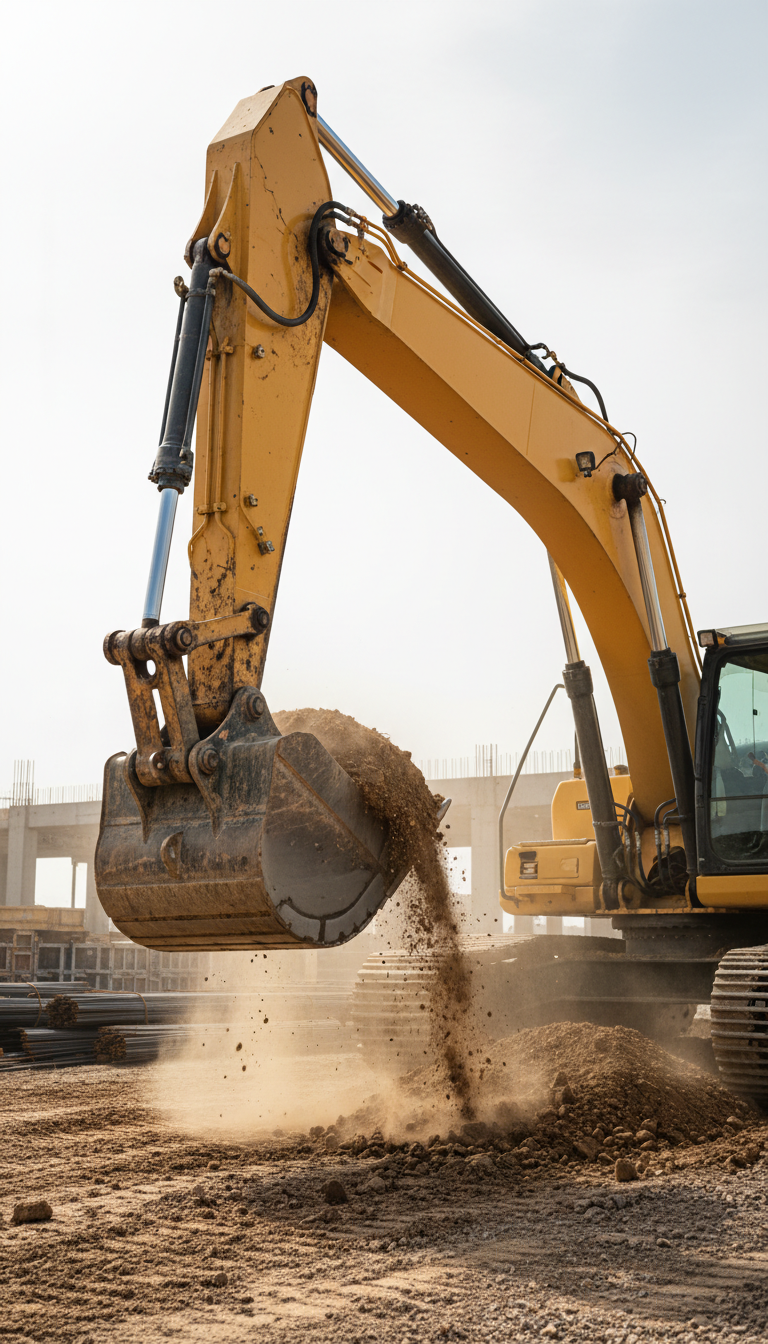
- Excavators: These are heavy-duty machines used for digging large areas. They are particularly useful in Hawaii due to the rocky ground found on many islands.
- Backhoes: Versatile equipment that can dig, lift, and move materials. They are ideal for smaller projects and tight spaces.
- Trenchers: These are specialized tools designed to dig narrow, deep trenches for pipes and utilities.
Choosing the Right Equipment for Hawaiian Terrain
The diverse landscapes of Hawaii—from coastal plains to mountainous regions—require careful consideration when selecting septic digging equipment. The type of soil, whether it's sandy, clay, or rocky, will influence your choice. For rocky terrains, robust excavators are recommended, while sandy areas may require lighter machinery.
Additionally, the weather conditions in Hawaii, such as frequent rain, can affect the soil's stability. Having equipment that can handle wet and muddy conditions is crucial.
Safety Considerations
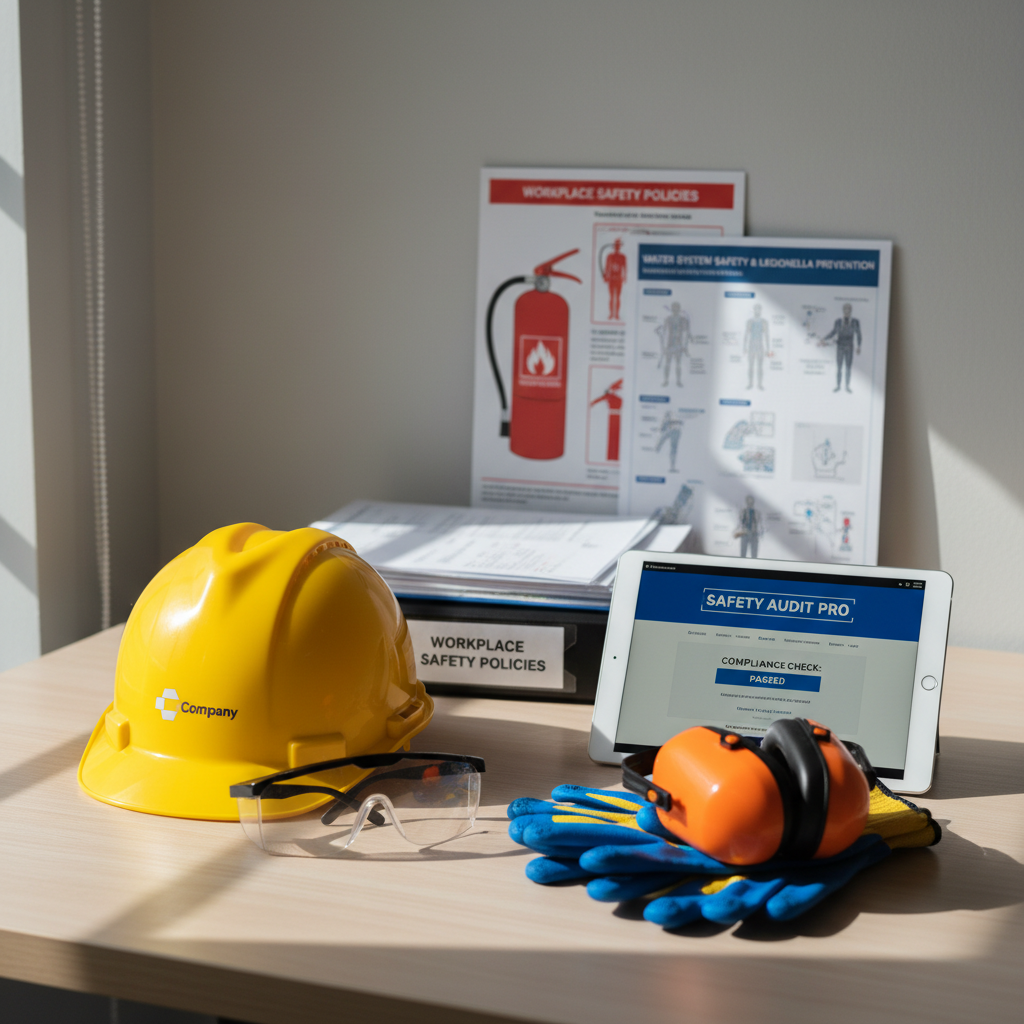
Safety is paramount when operating heavy machinery. Always ensure that the equipment is in good condition and that operators are properly trained. In Hawaii, local regulations may also require specific safety measures to protect both workers and the environment.
Maintenance and Care of Equipment
Regular maintenance of septic digging equipment is essential to prolong its lifespan and efficiency. This includes routine checks, lubrication, and cleaning. In Hawaii's humid climate, preventing rust and corrosion is particularly important. Store your equipment in a dry place and perform regular inspections to catch any issues early.
By understanding and utilizing the right septic digging equipment, you can ensure the longevity and effectiveness of your septic system. Whether you're a professional or a DIY enthusiast, having the proper tools and knowledge is key to navigating the unique challenges of Hawaii's terrain.