Understanding Local Regulations for Industrial Equipment Use in Hawaii County


Introduction to Local Regulations
Understanding local regulations for industrial equipment use is crucial for businesses operating in Hawaii County. These regulations are designed to ensure safety, environmental protection, and community well-being. Failing to comply can result in fines, legal challenges, and operational delays.
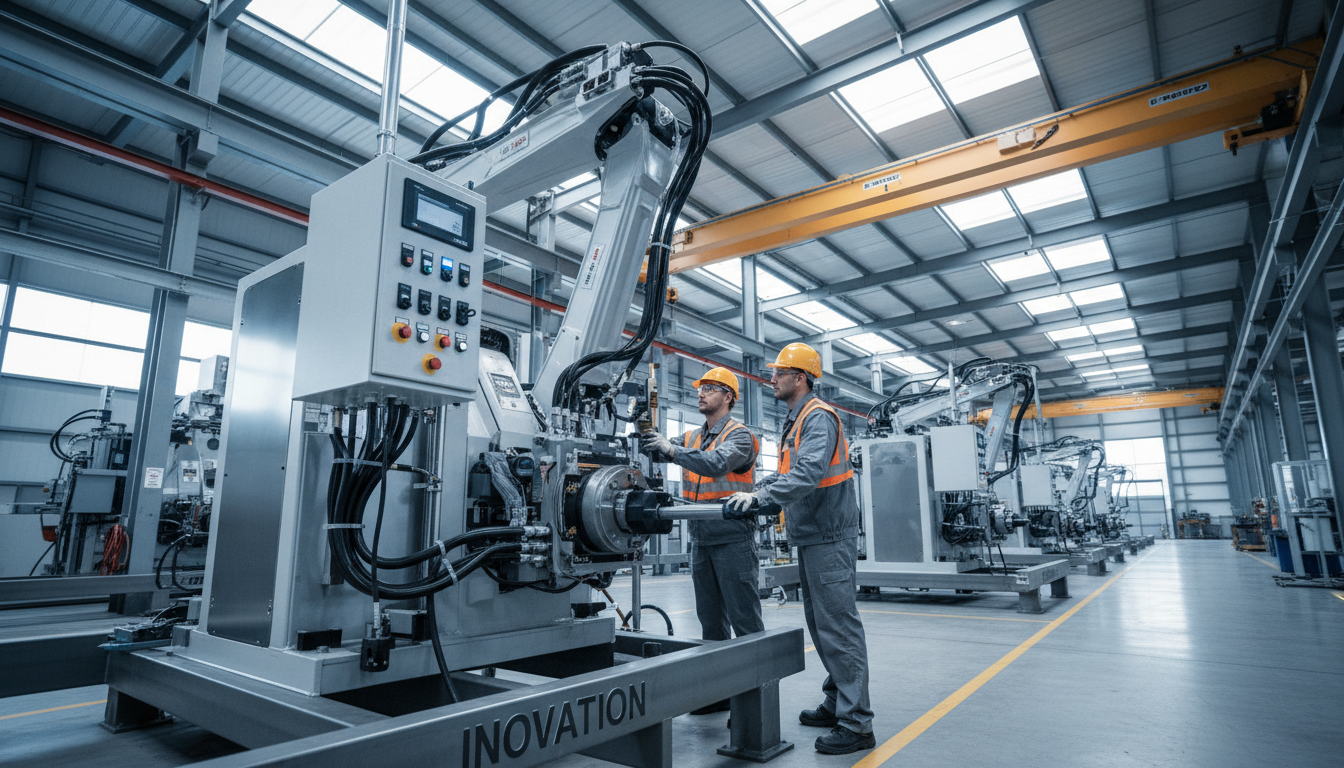
Hawaii County, with its unique geographic and environmental considerations, has specific rules that businesses must adhere to. This post will guide you through some of the key regulations and considerations.
Environmental Compliance
Environmental protection is a top priority in Hawaii County. Businesses must ensure that their industrial equipment does not harm the local ecosystem. This includes adhering to emissions standards, waste disposal protocols, and noise control measures. Permits are often required for equipment that could impact the environment.
Regular audits and inspections by local authorities help ensure compliance with these regulations. Businesses should maintain detailed records of their equipment maintenance and emissions testing.

Safety Standards
Safety is another critical aspect of industrial equipment regulation. Operators must ensure that all equipment is safe for use and that employees are adequately trained. This includes implementing safety protocols and providing personal protective equipment (PPE) to workers.
The Occupational Safety and Health Administration (OSHA) sets forth guidelines that must be followed. Regular safety drills and equipment checks are recommended to maintain a safe working environment.
Permitting and Zoning Requirements
Before installing or operating industrial equipment, businesses must obtain the necessary permits. Zoning laws in Hawaii County dictate where industrial activities can take place. It's essential to understand these zoning regulations to avoid costly relocations or shutdowns.

Permits are typically required for activities that involve significant construction or environmental impact. Engaging with local authorities early in the planning stages can help streamline the approval process.
Community Engagement
Community engagement is an often-overlooked aspect of regulatory compliance. Businesses should strive to maintain open communication with local communities, addressing any concerns regarding industrial activities. This can involve public meetings and informational sessions.
Building a positive relationship with the community can enhance a company's reputation and may even lead to collaborative opportunities.
Conclusion
Navigating the local regulations for industrial equipment in Hawaii County requires diligence and proactive engagement. By understanding and adhering to environmental, safety, permitting, and community requirements, businesses can operate smoothly and sustainably. Regular consultations with legal and environmental experts are advisable to stay updated on any changes in regulations.